The Secret CIA Operation That Turned Abstract Expressionism Into a Cultural Weapon and Exported “Freedom” to the World
Something most people still haven’t realized is that culture almost never happens spontaneously. It’s manufactured in the shadows by people you’ll never hear of, pulling strings you’ll never see.
If that sounds like a conspiracy theory, as harsh as it sounds, it’s only because we weren’t taught real history. In US schools we’re fed a government approved version of history that reinforces a certain narrative, a story dressed up as truth and repeated until it feels like fact.
But it isn’t. And the only way to see it is to dig for yourself. That shouldn’t be necessary, but in the world we live in, it is.
This new series, Manufacturing Culture, will do the digging for you. Exposing how intelligence agencies have repeatedly created and curated culture to shape public perception.
It’s not about art, music, or movies as hobbies.
It’s about messaging.
Control.
Influence.
Shaping reality.
In volume 1 below we’ll look at the mid‑20th century, where Abstract Expressionist such as Pollock, Rothko, de Kooning, and Newman, weren’t just a burst of genius. But a CIA‑engineered phenomenon, carefully funded, curated, and exported to make “freedom” look chaotic, creative, and irresistible to the world.
What seemed organic was anything but.
Future volumes will move through the music industry, Hollywood, literary magazines, and even modern digital influencer culture, showing how the playbook has evolved but the goal has remained the same:
Manufacture culture to shape perception.
If you think the celebrities you see, hear, or love became famous organically, think again.
Someone built them for you, scripted, cast, and marketed to fill a specific role. And most know exactly the part they’re playing.
Welcome to Manufacturing Culture.
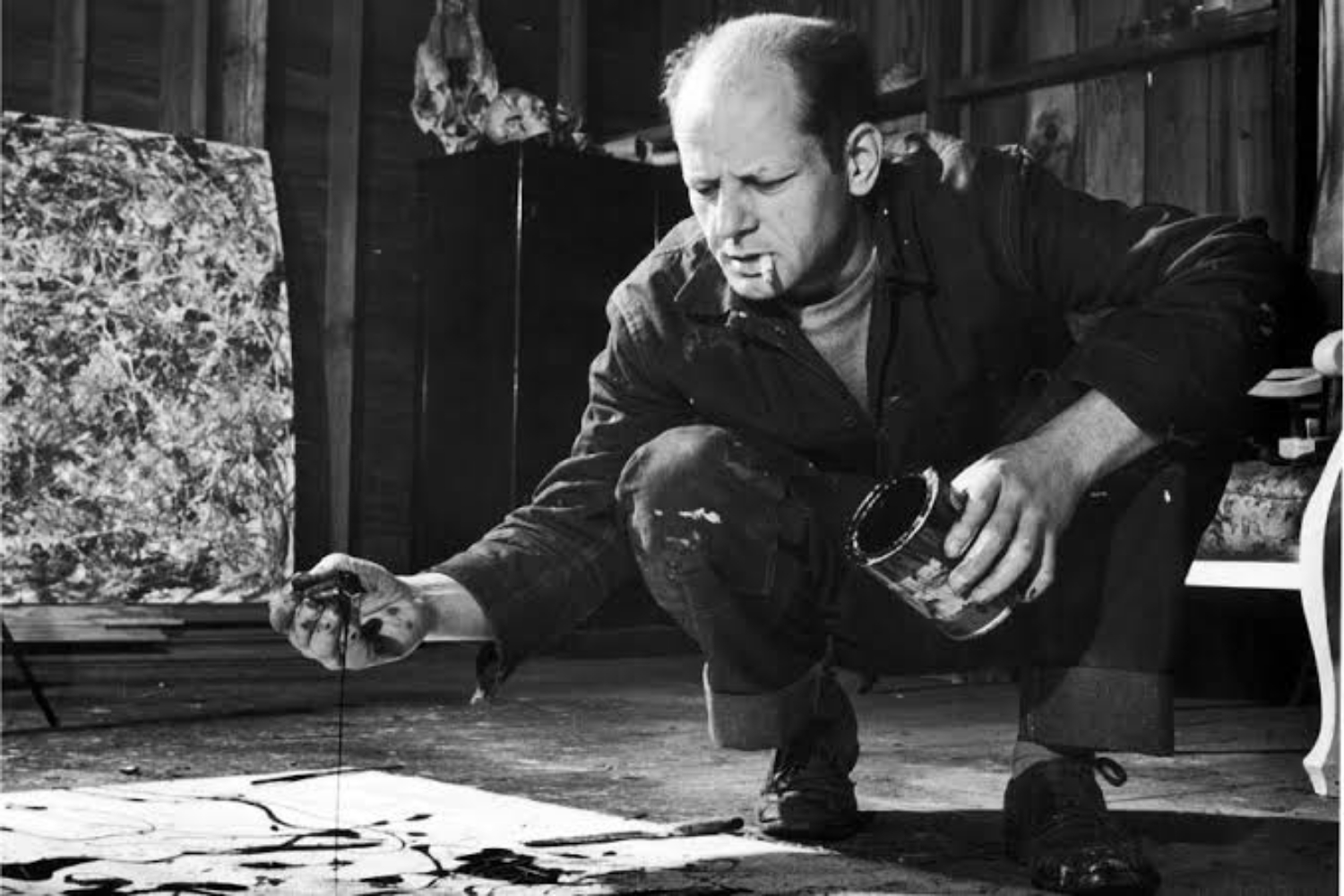
Jackson Pollock and the Abstraction Movement
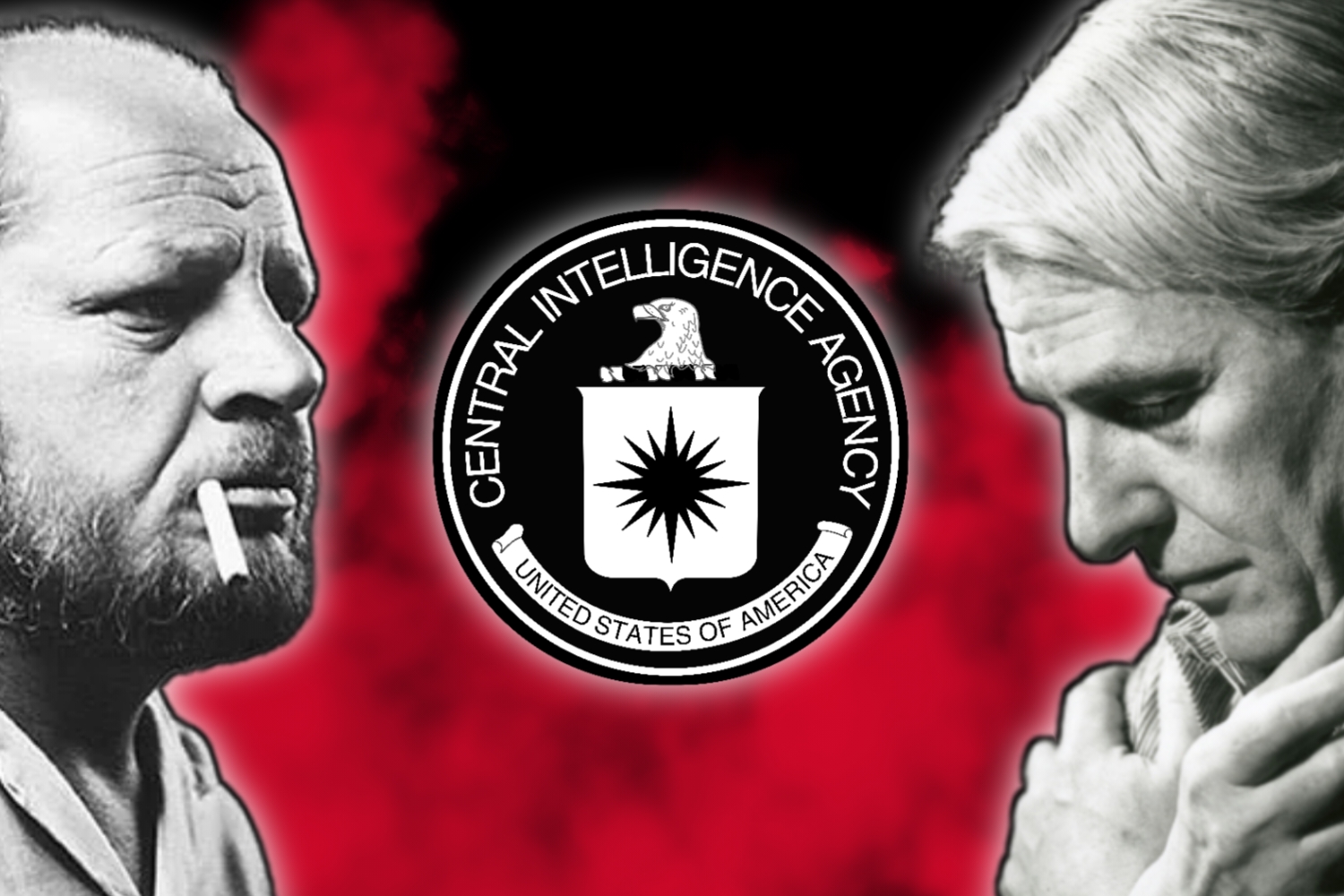
If you’ve ever dipped a toe into the art world you’ve heard his name.
Jackson Pollock.
The rebel.
The drip painter.
The guy who exploded out of nowhere and flipped the art world on its head.
With this..
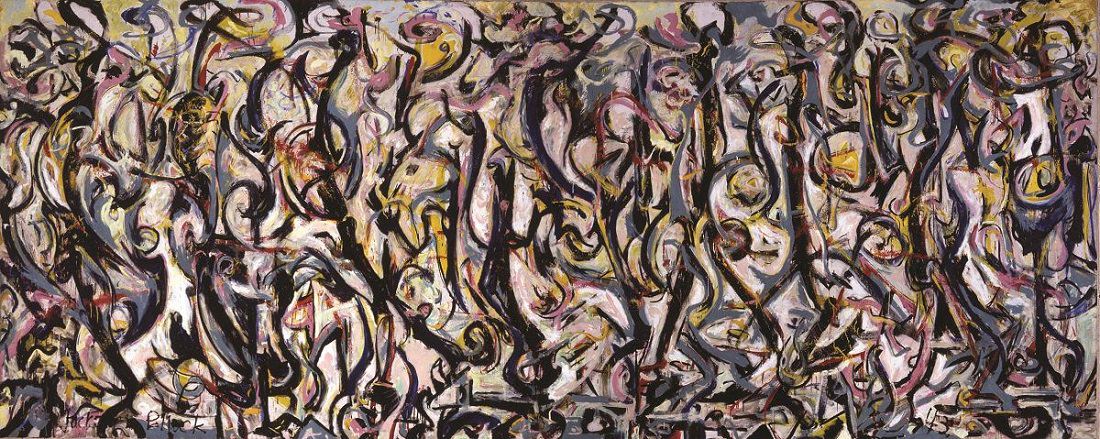
By the mid‑20th century his art was hanging in the most prestigious museums in the world. His name became synonymous with “American genius.”
What you will never hear is that his rise to fame wasn’t an accident.
It wasn’t talent, or timing.
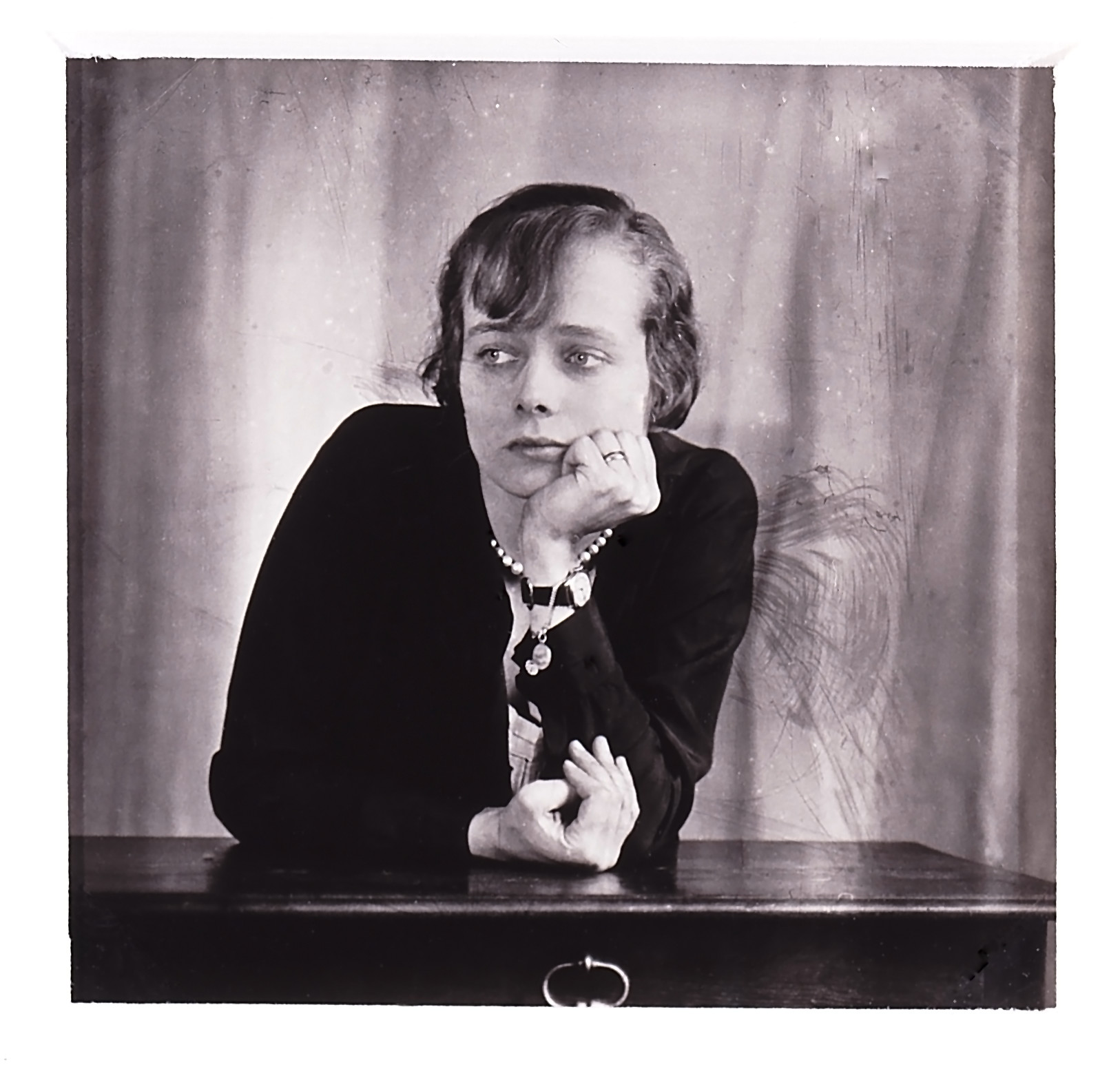
No, before Jackson Pollock became “Jackson Pollock” he was first chosen by Betty Parsons, the gatekeeper, who gave him a launchpad, before the CIA¹ and its cutouts took him under their wing. Afterwards, his art was curated, funded, and promoted across the world².
Pollock wasn’t a lone genius. He was part of a network of artists, writers, and musicians quietly promoted by the CIA to show the world what “freedom” looked like³. From jazz tours in Europe to literary magazines, this was a coordinated campaign to make American culture seem unstoppable, and organic.
They created world‑famous artists out of thin air, without the slightest difficulty.
The Cold War’s Culture War
During the Cold War, the Soviets were pumping out heroic statues of workers and farmers, making socialism look solid and inevitable.
The US needed a counter‑image, a cultural weapon, something that screamed “freedom” without having to say a word.
Enter Abstract Expressionism.
Pollock, Rothko, de Kooning. All the names taught in art schools to this day, as if they were spontaneous bursts of genius.
Their art looked chaotic, individualistic, and unrestrained. Exactly the vibe America wanted the world to believe in.
Article continues below.
Enter the CIA
The Museum of Modern Art (MoMA) in New York City, run at the time by deep state mainstay and future Vice President, Nelson Rockefeller, became the hub for America’s cultural Cold War.
It was the launchpad where CIA-backed funding, curated exhibitions, and carefully promoted artists came together to project an image of chaotic, unrestrained “freedom” to the world.
But MoMA wasn’t working alone. The pipeline began with the Betty Parsons’ gallery, a small but influential space in New York that became the gatekeeper for Abstract Expressionists. Parsons gallery gave them solo shows, critical exposure, but most importantly it gave them a narrative: these artists were rebels, self-made geniuses emerging from the avant-garde almost overnight.
This wasn’t coincidence.
Parsons’ selections and MoMA’s exhibitions worked together to manufacture the myth of organic genius.
Artists she championed would appear in exhibitions like The New American Painting, which toured Basel, Milan, Berlin, Brussels, Paris, and London¹. These tours placed Abstract Expressionist works into European audiences’ hands who’d only ever seen rigid Soviet realism. Suddenly, America looked chaotic, free, and irresistibly creative.
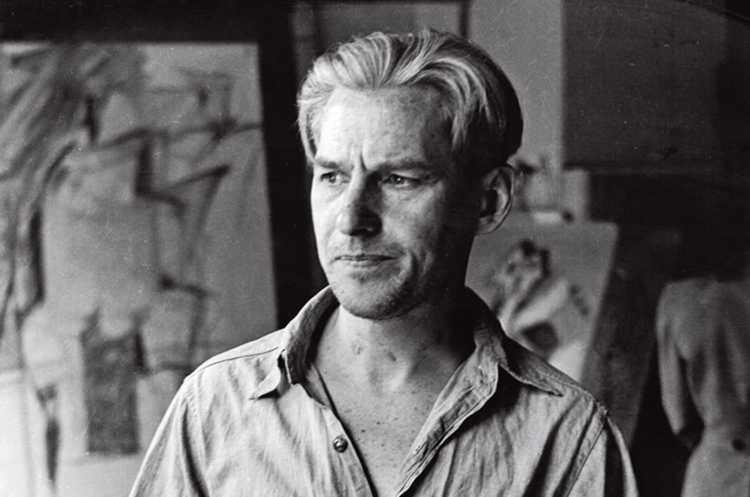
Multiple stops in the tour wouldn’t have been possible without shadowy funding from the intel community. The Fairfield Foundation, a quiet conduit for CIA money led by Julius Fleischmann, covered costs when galleries like the Tate in Britain couldn’t afford the show⁵.
The CIA not only helped finance MoMA’s international exhibitions, it made cultural forays across Europe. In 1950, the Agency created the Congress for Cultural Freedom (CCF), headquartered in Paris. Though it appeared to be an
“autonomous association of artists, musicians and writers,”
it was in fact a CIA funded project to…
“propagate the virtues of western democratic culture.”
The CCF operated for 17 years, and, at its peak,
“had offices in thirty-five countries, employed dozens of personnel, published over twenty prestige magazines, held art exhibitions, owned a news and features service, organized high-profile international conferences, and rewarded musicians and artists with prizes and public performances”
The preeminent Cultural Cold Warrior, Thomas W. Braden, who served as MoMA’s executive secretary from 1948‑1949, later officially joined the CIA in 1950 to supervise its cultural activities.
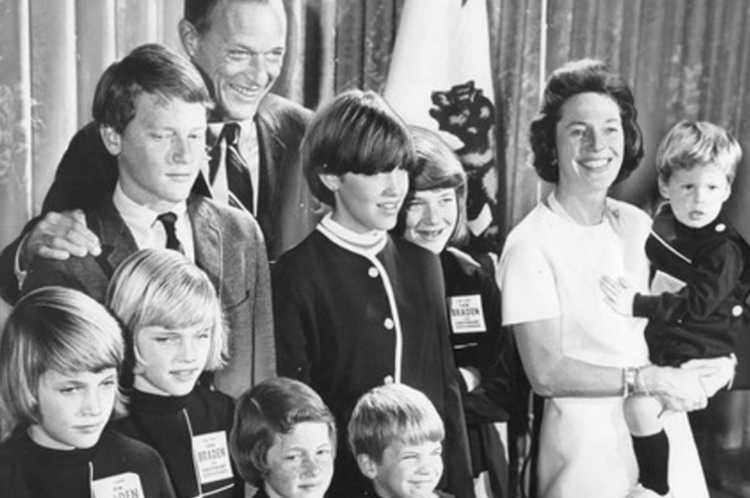
Braden, who was directly involved in promoting Pollack as the next cultural juggernaut, noted in a Saturday Evening Post article titled “I’m glad the CIA is ‘immoral’” that American art,
“won more acclaim for the U.S. …than John Foster Dulles or Dwight D. Eisenhower could have bought with a hundred speeches.”
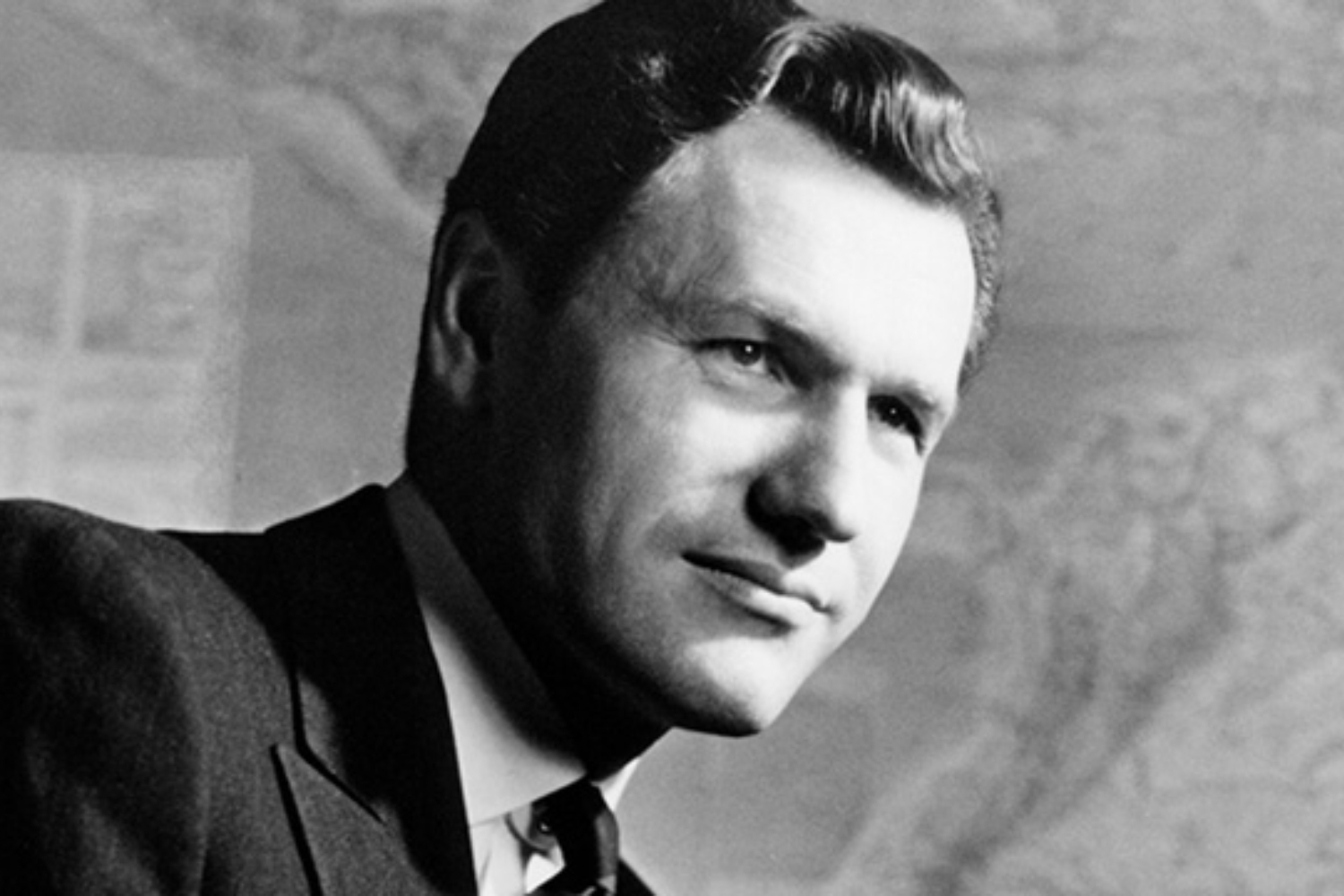
Rockefeller’s network included people with extensive intelligence and propaganda backgrounds. They used MoMA’s prestige and international reach as a weapon in the Cold War.
This wasn’t just art.
It was messaging.
Every Pollock drip.
Every chaotic Rothko canvas.
Every bold Newman field.
Every swirling de Kooning stroke.
It was all carefully packaged to make “freedom” look cool, to show the world what Americans could do when left “unrestrained.”
And it worked.
The myth of organic genius was born, and most people still believe it today.
But why wouldn’t they?
Universities teach the false narrative as gospel. Never taking the time to look beneath the surface, where truth actually lives. This fact alone should make you question the things you hear. When universities are teaching the CIA’s approved narrative when the truth is known, you have to ask yourself why.
Anything But Organic
Of course the narrative that this was organic culture, was shared across the globe to positive reviews. was that this was organic genius artistic expression representing American culture. The problem was, Americans weren’t having any part of it.
Americans met the positive reviews with indignation: Look Magazine ran “Your Money Bought These Paintings,” and Harry Truman reportedly said, “If this is art, I’m a Hottentot” and that this art was, “merely the vaporings of half-baked lazy people.”
But eventually the CIA’s influence paid off. The world came to know these men as artistic geniuses who appeared out of the ether, driven only by cigarettes, whiskey, and creative angst. Most people walking through a Pollock exhibit think they’re seeing the raw, unfiltered soul of a free society.
What they’re actually inside of is a psychological operation.
A curated vibe.
A cultural weapon.
Designed from the start to make “freedom” look cool, make America look creative, make the West look like the future. Another part of the psyop was seeing if they could make people but something that looked like this…
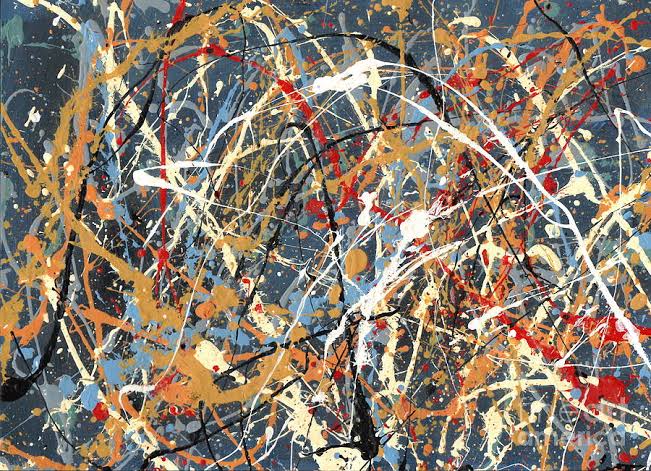
It worked.
It worked so well that even now, decades later, people still believe it was all real.
This was never about paintings.
It was about controlling reality.
If they could shape what you thought “freedom” looked like, they could shape what you thought freedom was.
Pollock was the brush.
The CIA was the hand.
Non-Organic Culture Today
The CIA doesn’t need to fund galleries or European tours anymore, though they still do this too.
Now they lean heavily on algorithms and social media to do the heavy lifting.
The same invisible hand that made Pollock a household name now builds “organic” stars on TikTok, Instagram, and YouTube.
Every viral post, every trending artist, every breakout personality, a gatekeeper decided they should be there. Every industry has these gatekeepers that decide who becomes famous and who doesn’t.
You can think of P. Diddy as a perfect example of how this system works. I know it may sound insane if this is the first time you’re hearing it, but that’s exactly why this series exists, to explain how this system works and show that it stretches back decades.
Spontaneity is an illusion.
Today, the operation is faster, smarter, and rapidly going fully digital. Culture is still manufactured; we’re just scrolling through it instead of wandering gallery halls.
In the next volumes, we’ll follow the blueprint through music, Hollywood, and influencer culture, showing how the same principles of engineered perception are alive and thriving today.
If you have a person, trend, or phenomenon you think should be included in the series, don’t hesitate to send your suggestion.
Next time, we’re pulling the curtain back on music industry and trust me, once that can of worms is opened in your mind, you won’t ever look at culture the same way again.
Sources
¹ Frances Stonor Saunders, The Cultural Cold War, 2000
² BBC Culture, “Was Modern Art a Weapon of the CIA?”
³ Independent, “Modern art was a CIA weapon”