Crowley’s philosophy continues to influence today’s music, media, and moral landscape. Manufacturing Culture exposes the hidden hands behind it all.
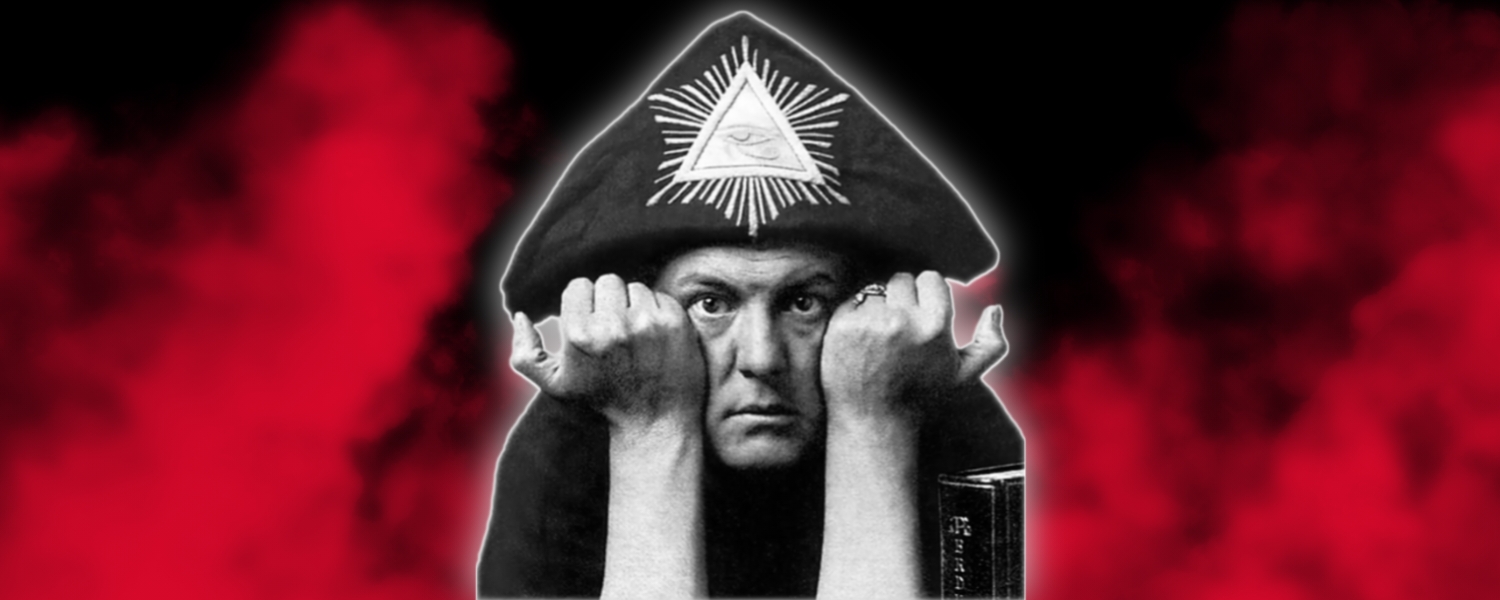
This entry into Manufacturing Culture is image rich and contains a large amount of information. To read in full, you may have to open it in a browser or the app. Sorry for any inconvenience this causes.
Modern humans have forgotten what the ancients knew well. A civilizations culture isn’t written in laws or carved into stone, it’s built through the stories they share. Long before ink dried on paper, humans painted by firelight on cave walls in ochre and ash to pass down lessons as old as time itself.
Most people have forgotten the power of stories, and the role they play in shaping reality. They define who you are, what you value, what you believe is possible, and what to never question. They build invisible walls around your thoughts, hand you heroes and villains, and quietly decide what you’ll call good or evil.
Our ancestors knew this truth, and so do the people who lead the world today. Dictators have long known: “Whoever controls your stories, controls your reality.”
Manufacturing Culture
In this edition of Manufacturing Culture, we’ll uncover how shadow intelligence agencies spread ideas meant to corrode morality in the Western world, using Aleister Crowley and his “Do what thou wilt” philosophy as their weapon against an unsuspecting and defenseless public.
Crowley’s chaotic life became a template for a new cultural order, one the shadows unleashed after his death through the pop culture revolutions they built in the 60’s and 70’s.
Who was Aleister Crowley
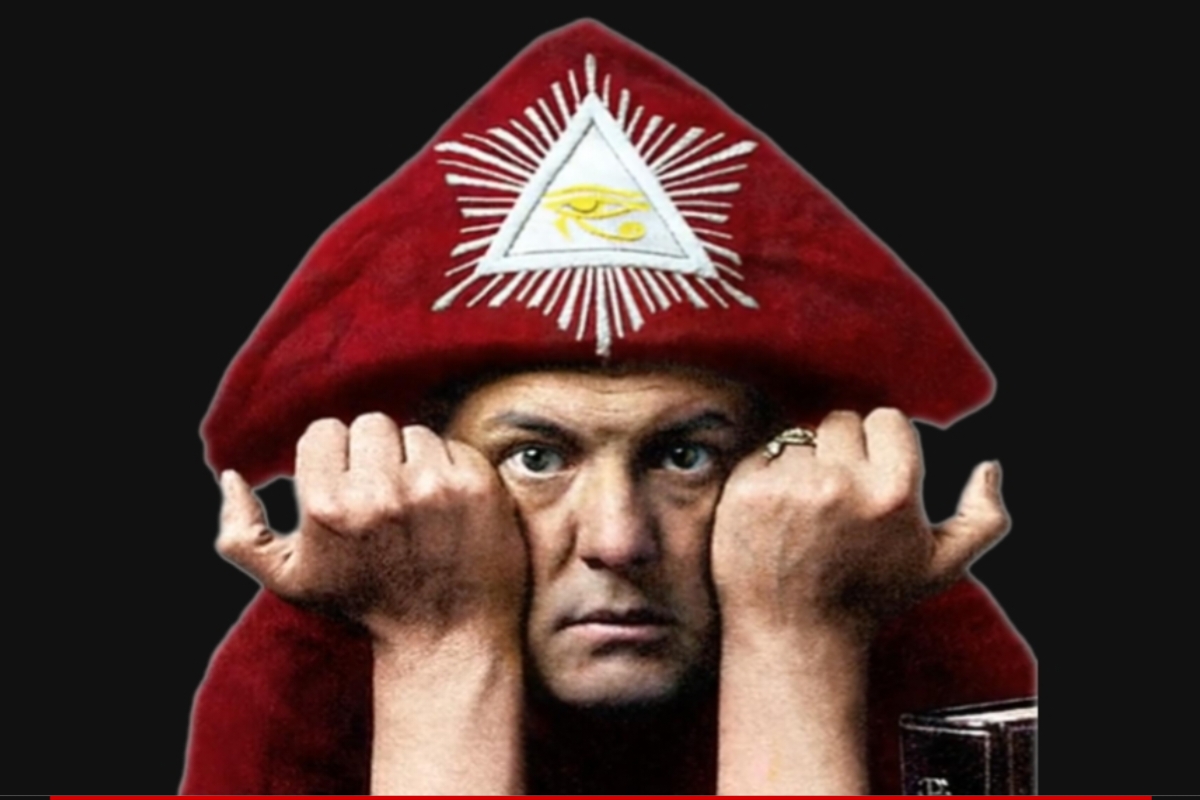
The approved narrative from the Intel agencies is that Crowley was an eccentric who became the most infamous occultist in modern history. But he wasn’t just an occultist. He was also a poet, a ceremonial magician, a drug addict, and an unrepentant hedonist.
The true story has now emerged and it revealed that Crowley was a British intelligence agent, tasked by the Crown to infiltrate and undermine American culture with ideas deemed dangerously hedonistic.
Hedonism, combined with Crowley’s own magnetic charisma, drew followers and enemies wherever he went. To some, he was evil incarnate, to others, a genius, a prophet of anti-Christianity, or simply a madman with an ego the size of a god.
Few figures in modern history have sparked as much controversy as Aleister Crowley. To truly understand him, and his impact on culture, we must go back to 1895.
The Beast is Born
Edward Alexander Crowley was born into one of Britain’s most prestigious and devout evangelical families in 1875. The future occultist began life surrounded by hymns, sermons, and the promise of salvation.
His father, who young Edward adored, was a traveling preacher, he filled his sons mind with scripture and fire. But when his father died, the fire went out. At just eleven, the boy who once worshipped at the altar of God turned all of his rage toward it.
He began openly mocking the Bible, exposing contradictions during lessons meant to save him. He smoked, did drugs, and sought out pleasure in every forbidden form. His mother was horrified by her sons behavior, named him “The Beast.”
It was a moniker Crowley wore like armor.
Crowley Discovers The Occult
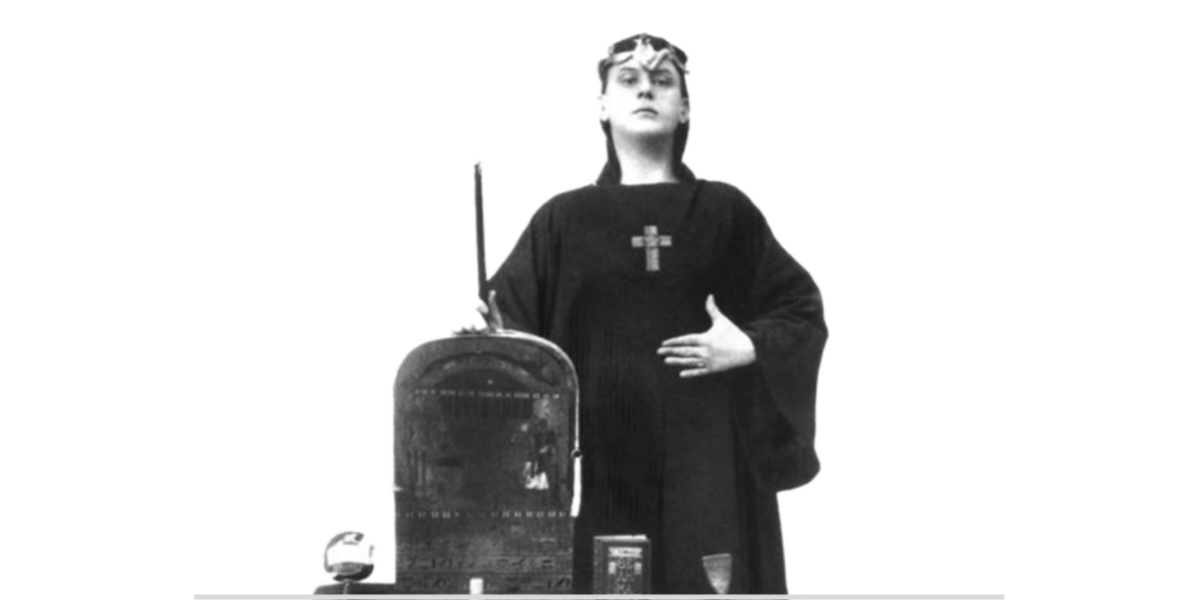
In 1895, at the age of twenty, Edward Alexander Crowley reinvented himself as Aleister Crowley. The reasons he discarded his old name foreshadowed every new choice he would make, a man driven by ambition, rigid ideals, and an indifference to personal relationships.
During this time in his life Crowley was obsessed with one thing above all others…
Becoming famous.
As we learn in his autobiography:
“I had read in some book or other that the most favorable name for becoming famous was one consisting of a dactyl followed by a spondee, as at the end of a hexameter: like Jeremy Taylor. Aleister Crowley fulfilled these conditions, and Aleister is the Gaelic form of Alexander. To adopt it would satisfy my romantic ideals.”
Also in 1895, Crowley enrolled at the prestigious Cambridge University. Beneath his polished upper-class exterior, a tumultuous soul stirred, driven by ambitions of magical mastery. He explored sadistic sexual relationships with both men and women, while diving ever deeper into the dark arts.
In 1898, Aleister Crowley met Julian L. Baker, a member of the Hermetic Order of the Golden Dawn, which Crowley soon joined.
The Order was devoted to the study of the paranormal and all things occult, and Crowley soon became obsessed with its teachings. So consumed that he hired a senior member of the group as a live-in tutor, immersing himself in ceremonial magic and the ritualistic use of drugs.
At the same time, Crowley explored his bisexuality, frequenting prostitutes whenever possible. Though he saw this life as both eye-opening and spiritual, higher-level members of the Golden Dawn considered his behavior excessive and barred him from the order’s upper levels.
Becoming Aleister Crowley
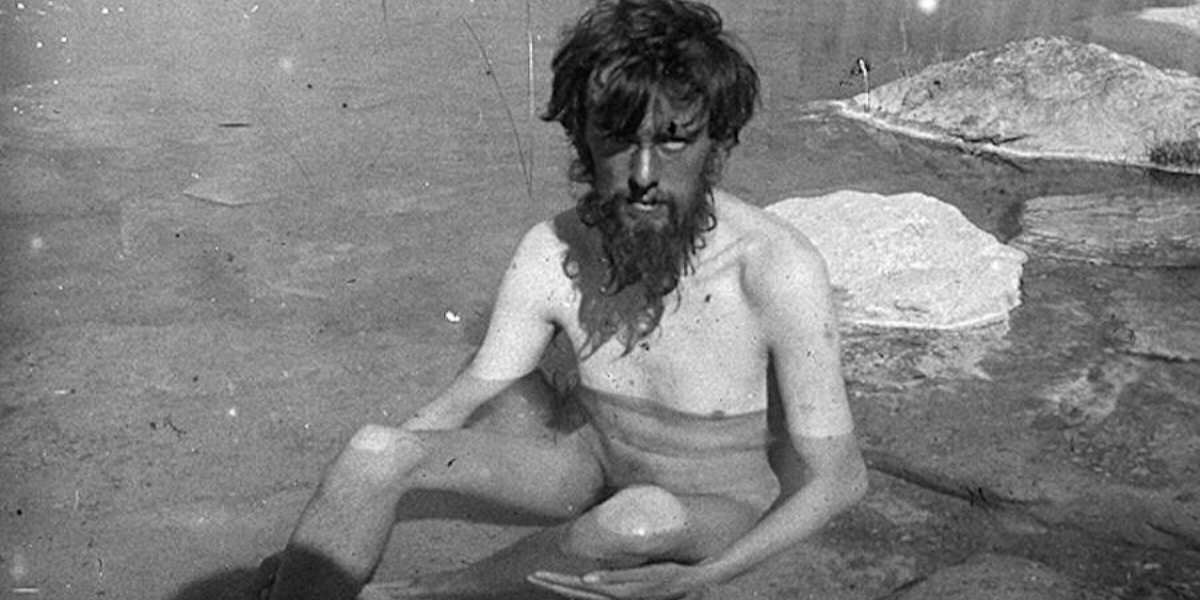
It must have been around this time when Aleister Crowley was connected to the world of intelligence. As this series will reveal, he did what most intelligence agents do, he traveled the globe. Mexico, Japan, Hong Kong, Ceylon, and India became a training ground for both his occult experiments and covert intelligence work.
The image below is a rare photograph of Crowley on assignment in 1905, from Kanchenjunga Expedition.
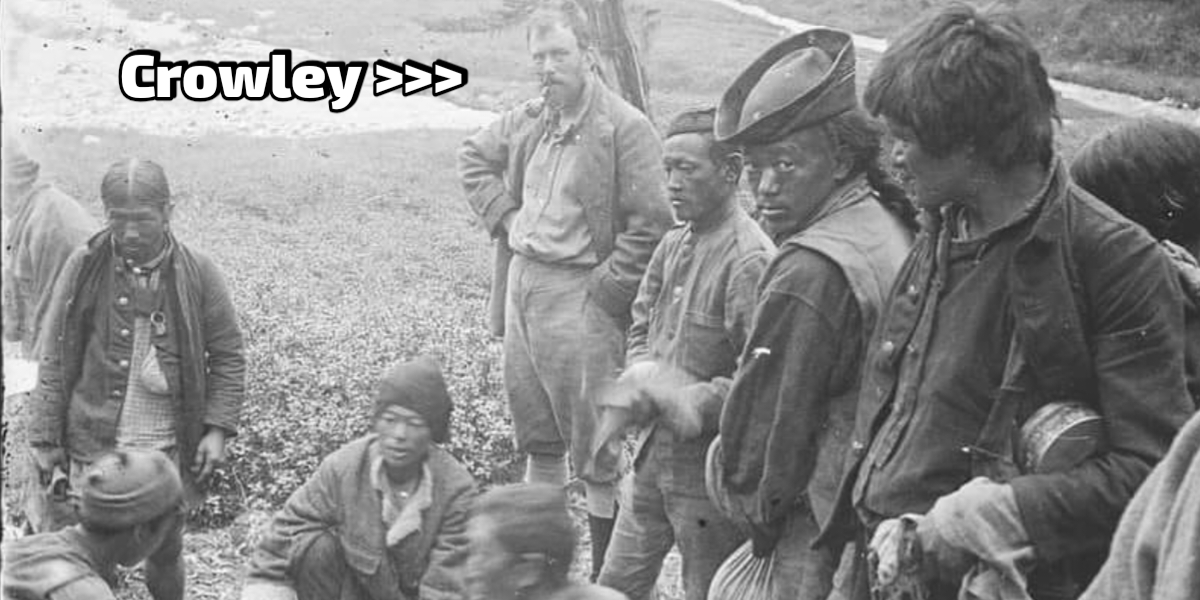
By November 1902, Crowley returned to Europe, settling in Paris and plunging into the city’s vibrant art world. Outwardly, he appeared as a sophisticated cosmopolitan, yet beneath the surface, his life was far more calculated and chaotic. While moving among famed artists like painter Gerald Kelly and sculptor Auguste Rodin, Crowley was also quietly working for British intelligence, using his charisma and connections to observe, influence, and report on cultural circles, blending espionage with the pursuit of his darker, obsessive ambitions.
Thelema is Born
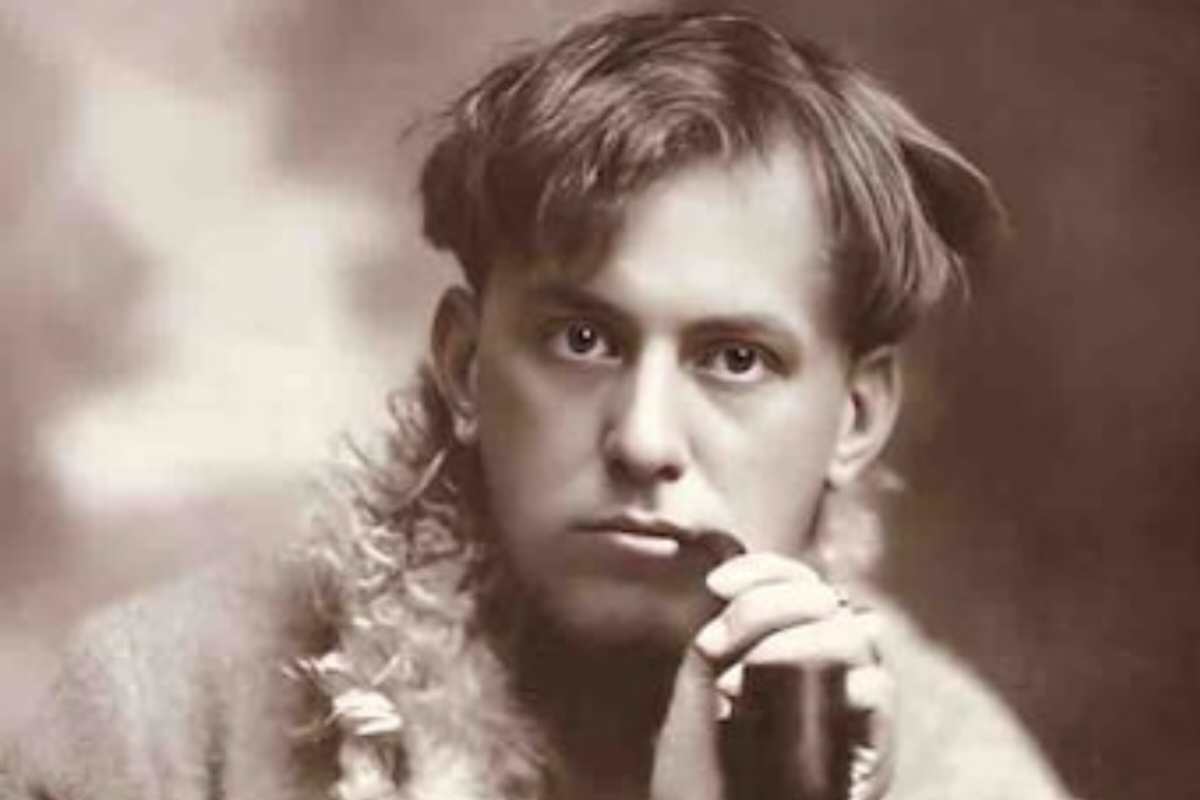
Legend says, in 1904, during meditation, Crowley heard the voice of Aiwass, Horus’s personal messenger and later Horus himself who would provide Crowley with the knowledge he transcribed in “The Book of the Law,” the foundation of Thelema, his new religion.
Thelema’s central tenet…
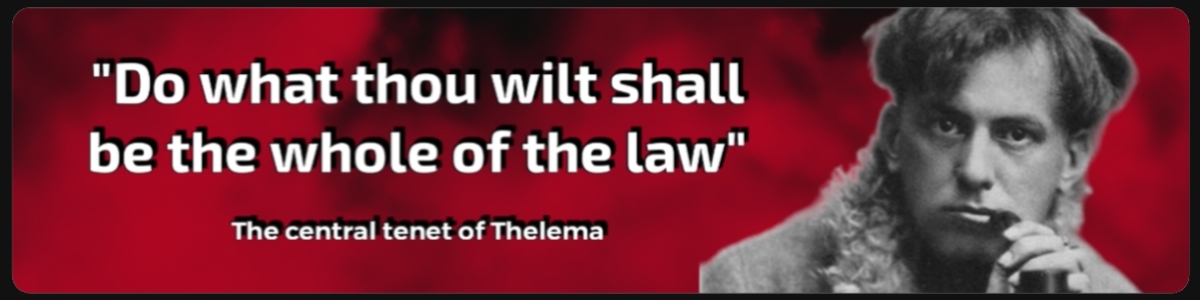
“Do what thou wilt” mirrored the way Crowley lived his own life. The teachings were the spiritual successor to the Hermetic Order of the Golden Dawn.
By 1907, Crowley founded his own occult order, the A∴A∴, dedicating himself entirely to building it, writing its literature, and producing a periodical for its members.
Aleister Crowley Admits To Working In The Shadows For The British Crown.
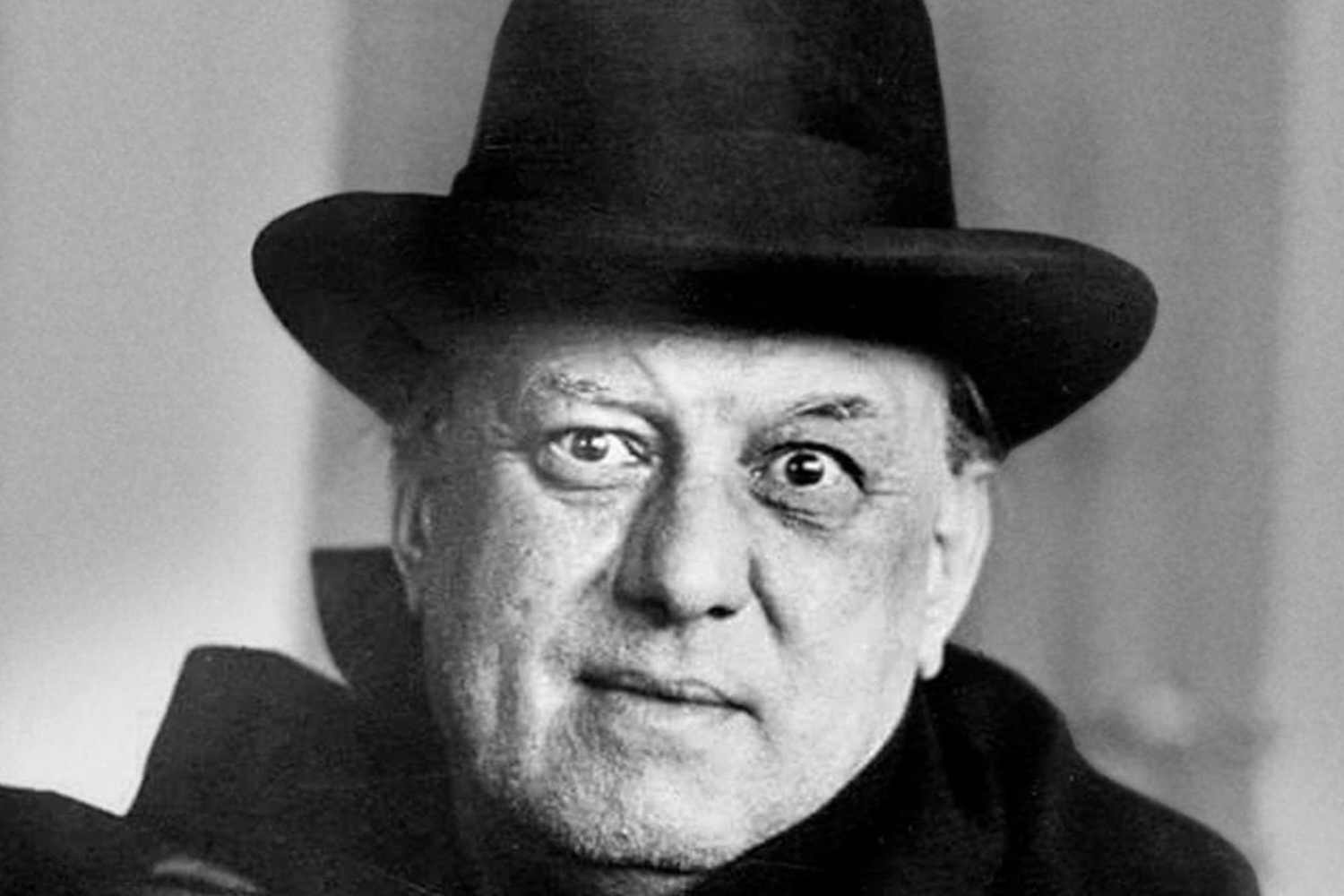
Aleister Crowley was many things, a poet, a pervert, a prophet of chaos. Each label he wore like a badge of honor, as well as proudly adding one of his own… secret agent.
It wasn’t a secret.
He told the world who he was.
People just didn’t listen.
Most still haven’t.
In his own writings, Crowley admitted he’d worked for British intelligence. He boasted of using his travels, his occult persona, and his network of acolytes to serve “certain patriotic duties.” He didn’t have to specify what those duties were, the results were written across the next century of Western culture.
If that’s not enough proof for you, if you are so hard-headed that you need something more than the Beast himself telling you he served the Crown. Because the paper trail, the timing, and the outcomes all tell the same story: Crowley wasn’t just playing magician. He was performing a long, slow act of cultural alchemy, one designed to dissolve the old moral order and replace it with something new, something more… pliable.
Every chaotic ritual, every public scandal, every “blasphemy” was part of the theater scripted by the British crown. With the goal of tearing away the Christian value system the majority of Americans lived by.
Below are a few clues left behind.
Richard Spence, Crowley’s Bibliography, argues Crowley acted as an informant, provocateur, and asset for British intelligence. (Link)
Crowley admitted to intelligence missions in the U.S. from 1914-1919, during World War I, positioning himself as anti-British propagandist, while actually working for the British government. (More evidence of Intel operatives propagandizing in America)
The book “Secret Agent 666” suggests his public “outrageousness” was part of the cover, make the persona so scandalous that no one suspects you’re doing clandestine work. (LINK)
Crowley’s infiltration of pro-German movements, or his use in propaganda operations, lines up with the idea that his occult reputation was a smokescreen for more mundane statecraft tasks. (LINK)
Crowley’s experimentation on his followers in Sicily (See section below) and Mussolini’s expulsion of Crowley out of Italy for it.
Experimenting With Mind Control
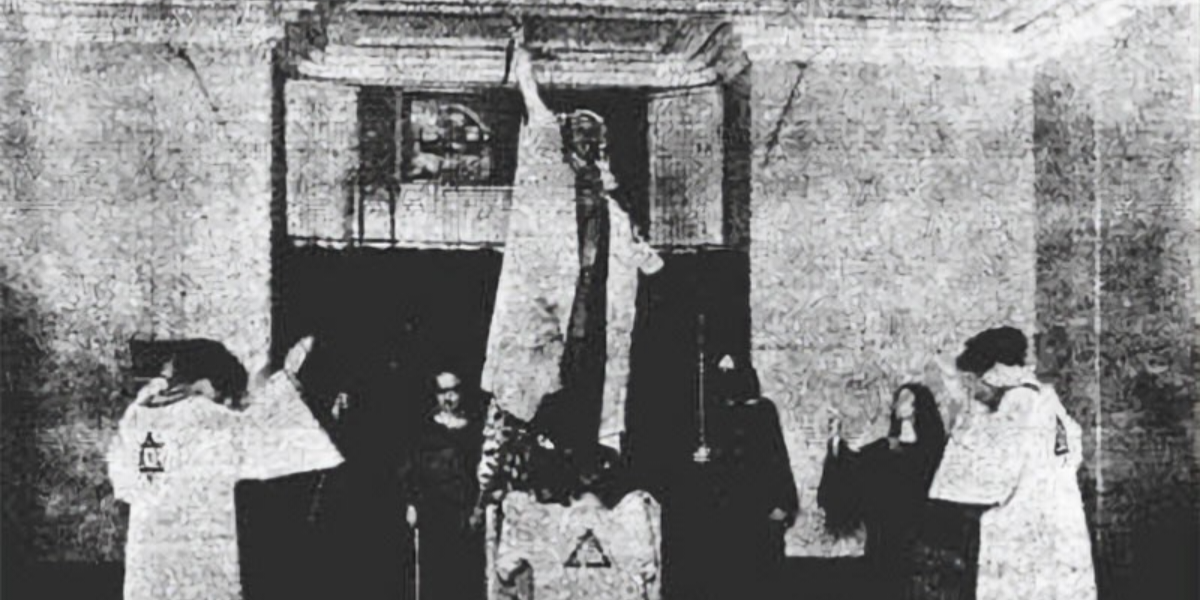
By 1920, Crowley had settled in Sicily, where he established the infamous Abbey of Thelema (seen above). From the outside and even to his followers, it appeared to be a spiritual commune. However, it functioned more like a psychological laboratory.
It was here that Crowley secretly used his followers to experiment with sex magic, ritual drug use, and the deliberate breakdown of moral and social boundaries. He built a living experiment with the goal of perfecting the manipulation of human behavior through ritual, symbolism, and transgression.
His unsuspecting followers became early test subjects, with him as the propagator of many of the methods intelligence agencies would later perfect in programs like MK-Ultra and Tavistock research. The same techniques are still used to control the population today, only now it’s on a grand scale.
When an Englishman mysteriously died during a ritual in 1923, after drinking cat’s blood, the scandal erupted across Europe. Mussolini’s fascist government expelled Crowley from Italy, labeling him “the most depraved man in the world.”
However, most who have studied Crowley believe the timing and media coverage of the incident were unusually theatrical, as if designed to boost his infamy rather than bury it.
Which proves intelligence agencies learned early that fame is the best disguise. Turn an agent into a legend, and the public will protect them for you. Boosting through social media scandal and chaos is still widely used today for increasing name recognition. Elon Musk’s recent boost of Ian Carroll into an anti-israel superstar is first to come to mind.
Becoming the First Cultural
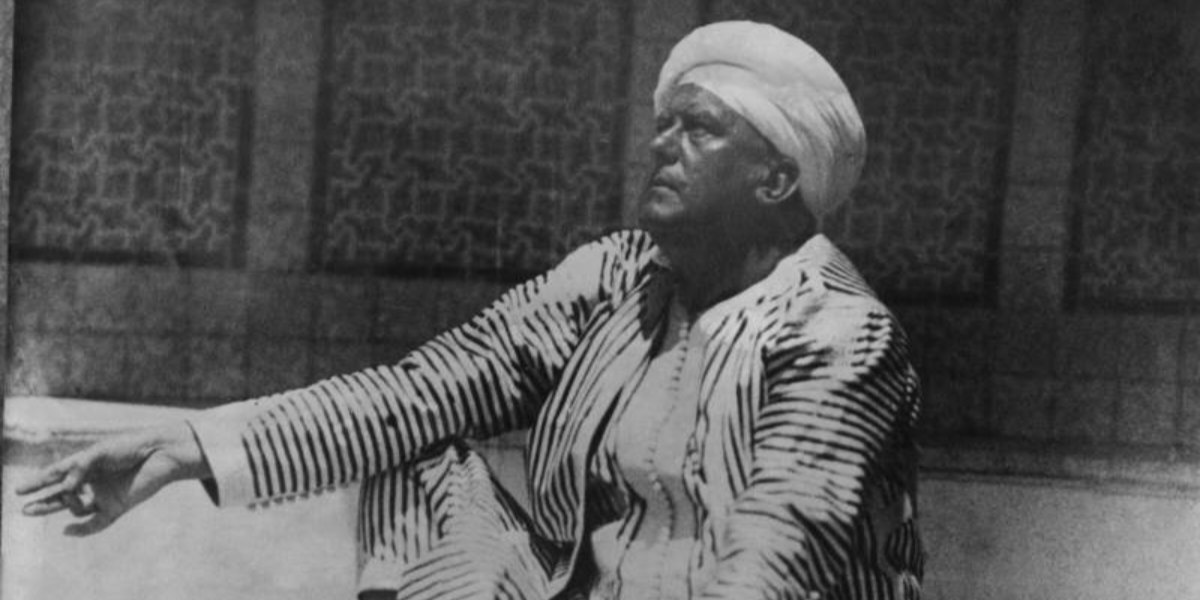
After the Intel led boost in name recognition in Sicily, the myth of “The Great Beast” was born, tabloids, literary circles, and underground art scenes turned him into a symbol of rebellion, shattering Victorian morality in favor of “true will,” a concept that foreshadowed Western pop culture’s obsession with self-expression, sexual liberation, and personal branding.
He remarried, published more works, and remained embedded in elite and bohemian circles. Crowley became the prototype of the modern countercultural influencers, his persona weaponized by intelligence networks to reshape Western culture from restraint to indulgence, distraction, and psychological fragmentation.
The Abbey of Thelema may have closed, but its message endured, exported through media, art, and philosophy until it became the air modern culture breathes.
Aleister Crowley in US Pop Culture
If you’ve been paying attention, you know that the 1960s “British Invasion” was less a musical movement and more of a psychological one.
The Beatles weren’t just strumming guitars, they were strumming neurons.
“Beatlemania” wasn’t organic.
It was engineered by the precursor to MI6, the Foreign Section of the Secret Service Bureau.
When you see teenagers convulsing in crowds like they’ve been hit with a collective hysteria, you’re not witnessing fandom.
You’re witnessing a test.
British intelligence had been experimenting with mass emotional conditioning since World War Two. The music scene was their next Petri dish. By the time the CIA started using Laurel Canyon to reprogram America’s youth in the 1970s, MI6 were veterans at manipulating minds with rhythm, LSD, and a few carefully chosen messiahs in bell bottoms.
And right there, peering from the background like a phantom mentor, was the work pioneered by Aleister Crowley. His image, his slogans, and his “Do what thou wilt” mantra became the invisible watermark on a decade of rebellion.
Intelligence assets around the world looked up to him as the prototype, an agent of chaos masquerading as a prophet of freedom, and they paid their respects in very public and various ways.
You see his fingerprints on every British Intel asset from the era and beyond:
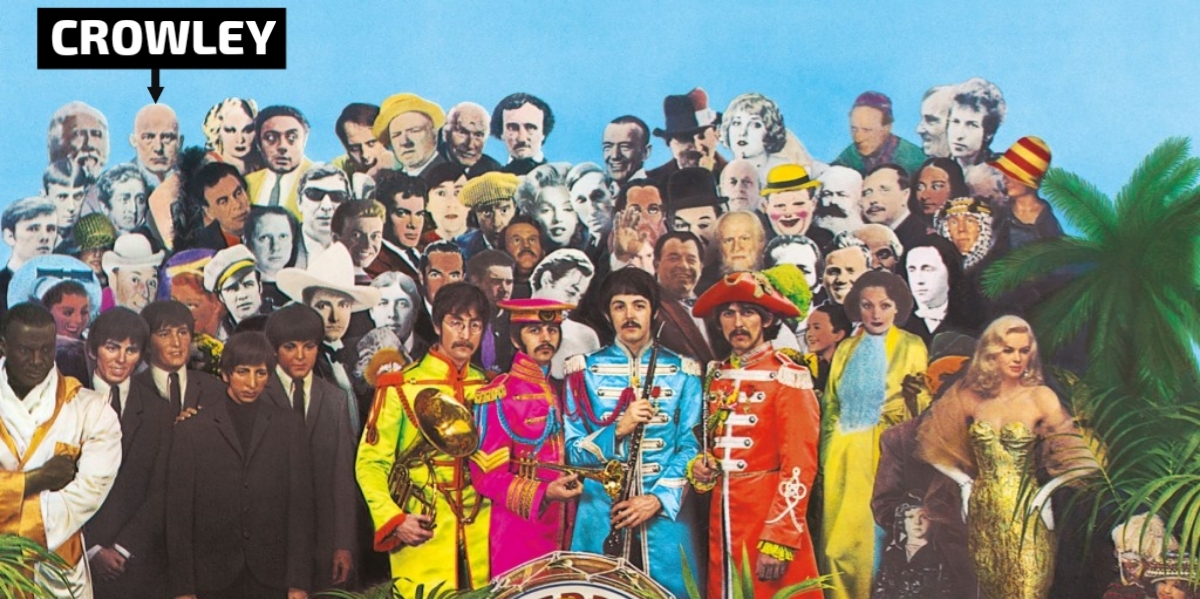
The Beatles put his face right on the Sgt. Pepper’s Lonely Hearts Club Band cover

Led Zeppelin’s Jimmy Page bought Crowley’s former mansion, Boleskine House, and filled Zeppelin lyrics with occult allusions.
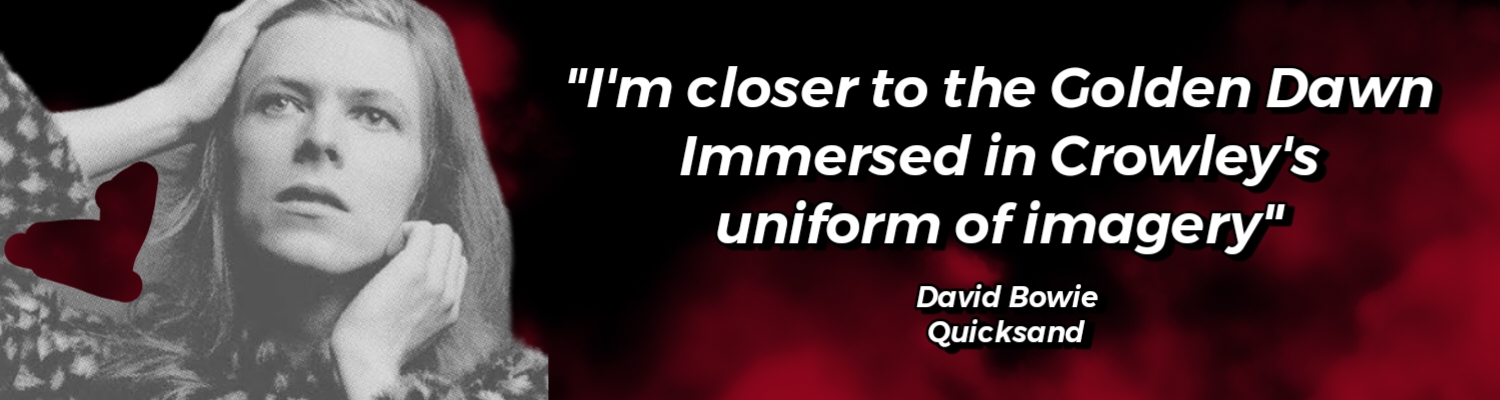
David Bowie referenced Crowley in Quicksand and flirted with esotericism throughout the Ziggy Stardust era
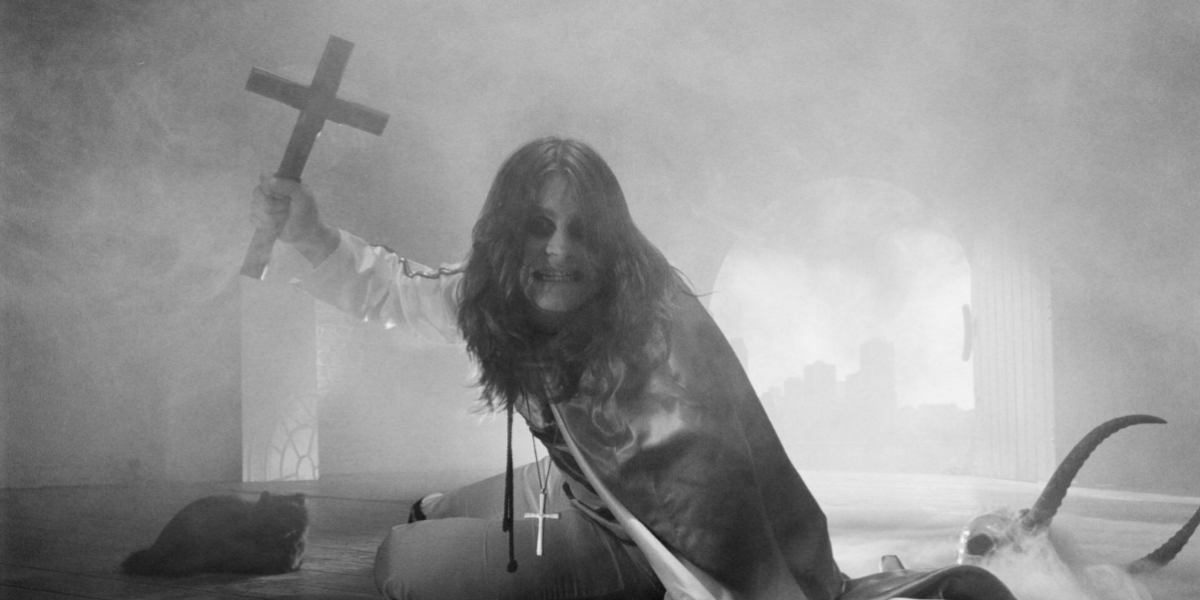
Black Sabbath, Ozzy, and Iron Maiden mainstreamed Crowley’s image of the dark sorcerer as a form of cultural rebellion.
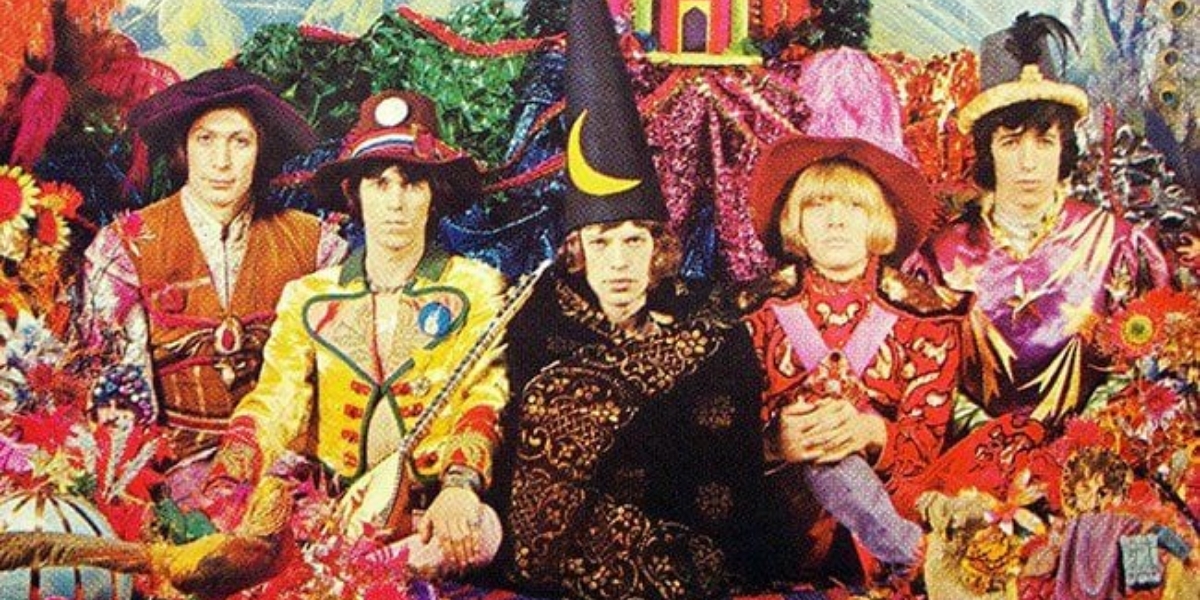
The Rolling Stones, especially with Their Satanic Majesties Request, mixed Crowleyan imagery with psychedelic propaganda.
All of it carefully wrapped in sound waves and sold as counterculture. The trick was to make people think they were rebelling while they were actually being programmed.
The One‑Eye: Crowley’s Shadow in Pop Culture
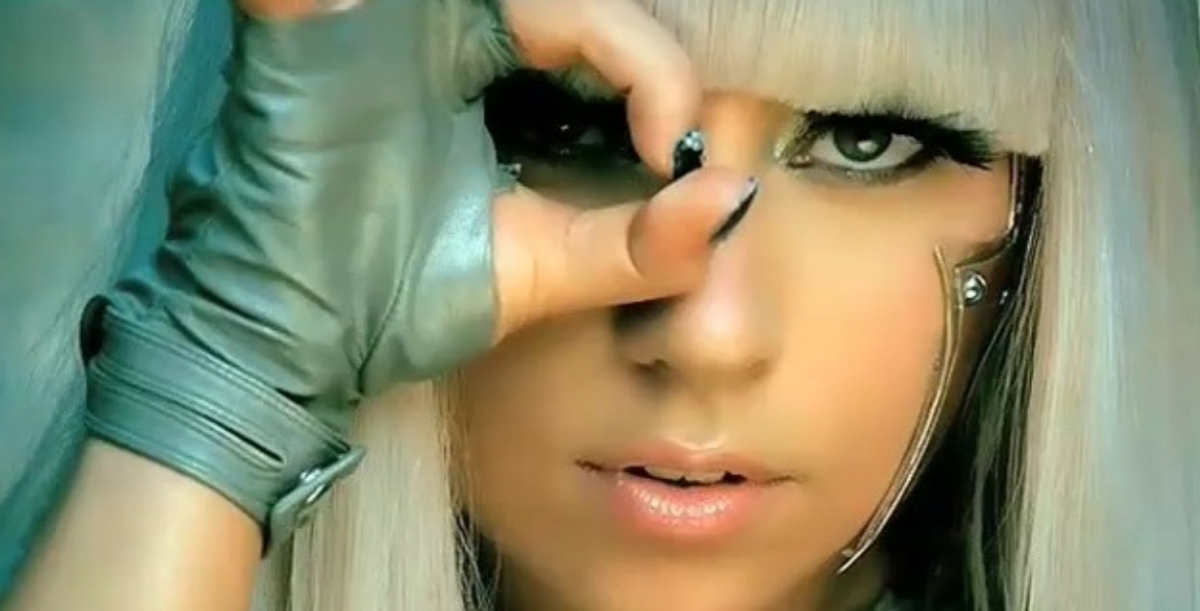
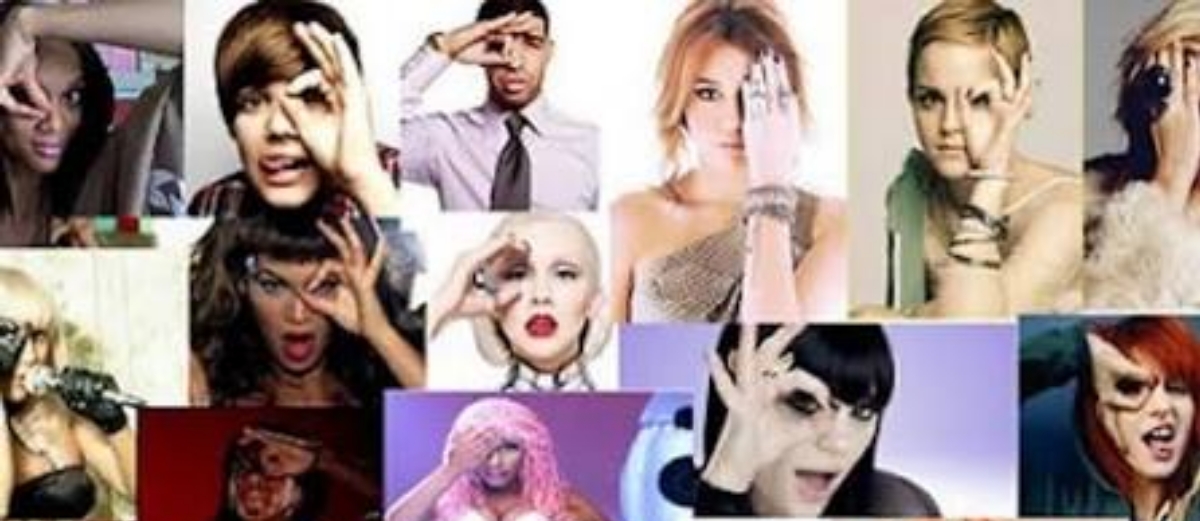
For years, theories about the celebrity one‑eye pose have circled the internet, claims of satanic rituals, child sacrifices, and secret blood cults. I’m not going to weigh in on that angle. It could be true, who knows, but I lean towards this theory was spread to add confusion to an already confusing operation. But one thing I do know for certain is this, if nothing else, it’s a silent signal. A way to identify themselves as assets in the great intelligence driven theater of influence.
Aleister Crowley didn’t invent the celebrity one‑eye trend, but his influence is unmistakable. The symbolism that began in his occult teachings has quietly threaded its way into modern pop culture, functioning as a visual shorthand for rebellion, hidden knowledge, and moral inversion.
Here’s how it connects to today’s celebrity culture:
Crowley’s Symbolism: Frequently used eye imagery, especially the Eye of Horus and the All‑Seeing Eye, representing personal enlightenment and transcendence of moral norms.
Occult Lineage: Followers and secret societies like the Ordo Templi Orientis adopted these symbols, mixing them with Masonic and Illuminati imagery to create a visual language of power and hidden knowledge.
Counterculture Adoption: By the mid‑20th century, rock bands, psychedelic art, and pop culture began borrowing Crowley‑inspired occult aesthetics, Rolling Stones, Led Zeppelin, and others referenced these symbols in album art, stage design, and performances.
Modern Celebrity Signaling: Today, the one‑eye pose functions as a deliberate gesture of “illumination,” rebellion, and alignment with esoteric knowledge. It’s the visual descendant of Crowley’s philosophy of self‑worship, moral inversion, and secrecy.
Psychological Weapon: By signaling moral and spiritual inversion through a familiar gesture, this imagery subtly normalizes transgression and reinforces cultural influence over collective belief systems.
Crowley may not have held a smartphone, but his ideas still flash across millions of screens every day. The one‑eye is more than a pose, it’s a centuries‑old philosophy, repurposed as a silent signal between intelligence assets.
Crowley’s Manipulation Continues Today
The shadow didn’t vanish with the fall of Abbey of Thelema or the end of the 60’s. The philosophies Crowley pioneered and intelligence agencies amplified, have seeped into the bloodstream of American culture. What began as experimental chaos, psychedelic communes, rock concerts, and acid-fueled rituals, evolved into a full-scale moral experiment on an unsuspecting and naive nation.
From the rise of the counterculture to the glorification of hedonism in music, film, and television, the principles of “Do what thou wilt” quietly became a template for social decay. Drug abuse, sexual exploitation, and the normalization of vice were no longer anomalies. They became cultural pillars, celebrated and codified as rebellion, self-expression, or as freedom itself.
By the time the 1980’s arrived, the groundwork had been laid for a society in which the old moral compass was optional, and ethical boundaries could be bent, blurred, or entirely ignored.
Advertising, media, and entertainment became vectors for this philosophy, shaping desires, values, and what people considered acceptable behavior. Crowley’s teachings were no longer just about individual transgression, they were a blueprint for collective erosion.
And today, it continues. Every trend that prizes indulgence over responsibility, every viral moment that rewards narcissism and moral ambiguity, every popular narrative that elevates chaos and spectacle over integrity, is a direct descendant of the framework Crowley helped establish.
If you remember one thing from this post, remember this, the moral decay of the United States did not happen by accident. It was engineered, nurtured, and normalized, decade after decade, with deadly precision.
The next time you hear an influencer or talking head selling chaos as truth, remember…
It didn’t end.
It evolved. It matured. It adapted.
And it became something far more powerful…
A weapon of mass delusion.
And today it’s everywhere. The nation’s conscience is still the laboratory, and its decay remains the benchmark of success for the operatives now running the experiment on you.
To learn more about the hidden hands behind culture and chaos, for more Manufacturing Culture, and to uncover the secrets intelligence agencies would rather you never notice. Subscribe to exploring shadows below.
If you enjoyed this Manufacturing Culture please Like, Comment and Share.