From rocket launches to media love affairs, Musk’s rise wasn’t luck or genius, it was a PR campaign written in Pentagon ink.
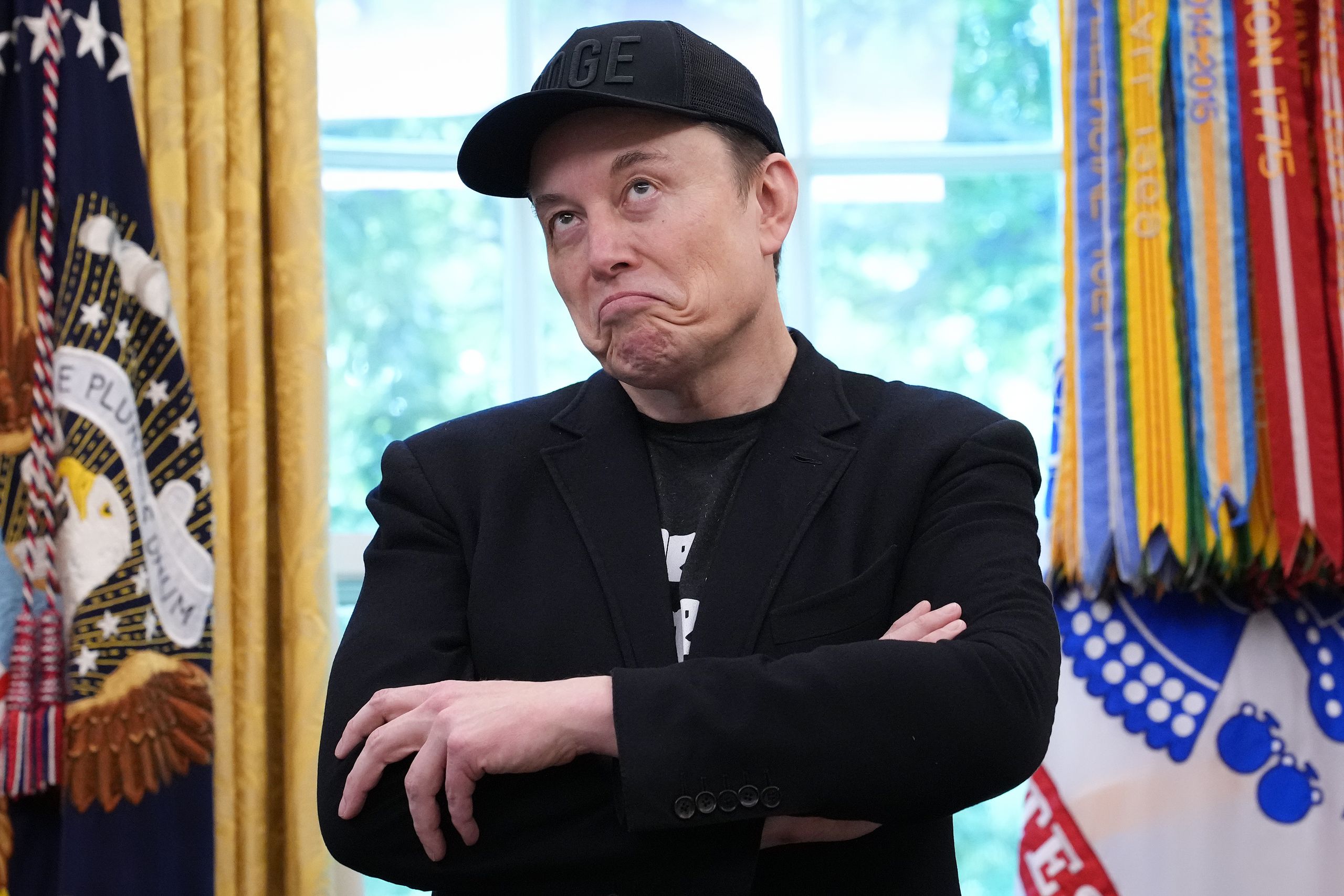
For decades, the American military industrial complex has been synonymous with shadowy figures, deep state contractors, and corporate titans whose public images veered somewhere between James Bond villain and tax evading war profiteer. These were not exactly the kind of people you’d put on a poster to inspire the next generation of engineers.
Enter Elon Musk, the billionaire wunderkind, the Tony Stark prototype, the awkward but “relatable” genius who tweets memes, smokes weed on podcasts, and tells the world he’s here to save humanity.
This, I argue, is no accident. Give me a few minutes to explain, and I think you’ll agree this is more than just another wild conspiracy theory.
The Old Image Problem
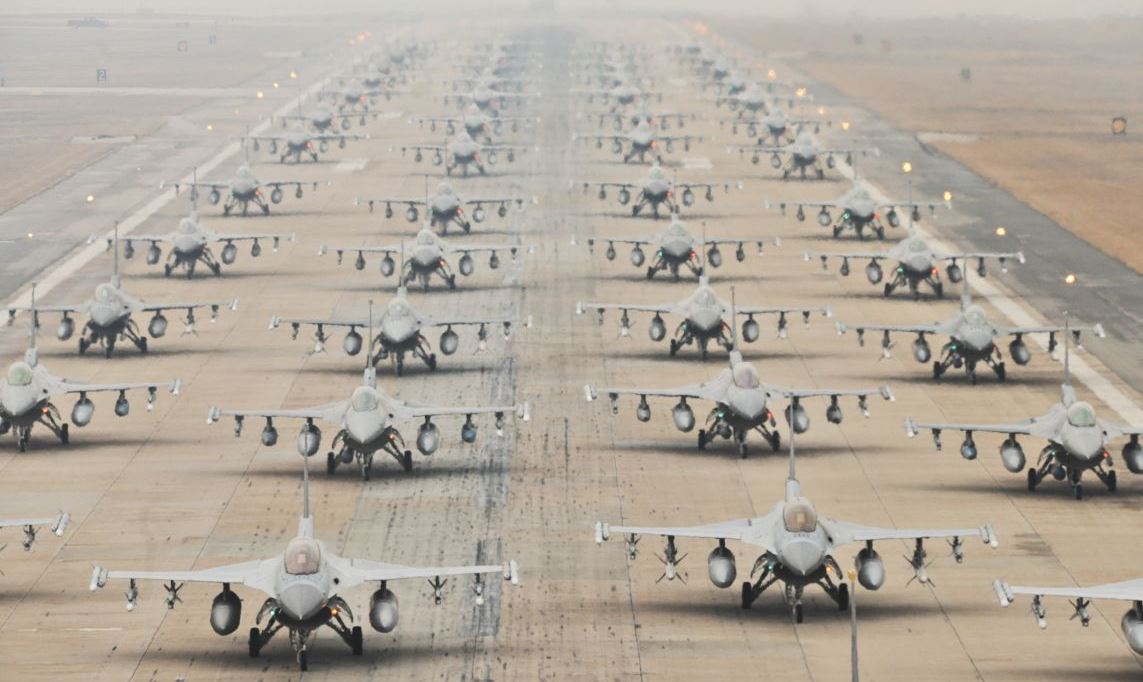
The defense industry has always had a PR problem. When you picture the heads of Lockheed Martin, Boeing Defense, or Northrop Grumman, you don’t see relatable innovators, you see stone faced executives in dark suits, delivering Pentagon briefings and quietly signing trillion dollar contracts to build machines of war.
The public doesn’t warm to these people, they fear them. And that fear was starting to undermine recruitment, public trust, and the political cover needed to funnel more and more taxpayer dollars into advanced weapons, surveillance, and off world ambitions.
They needed a rebrand.
Fast.
The Perfect Frontman
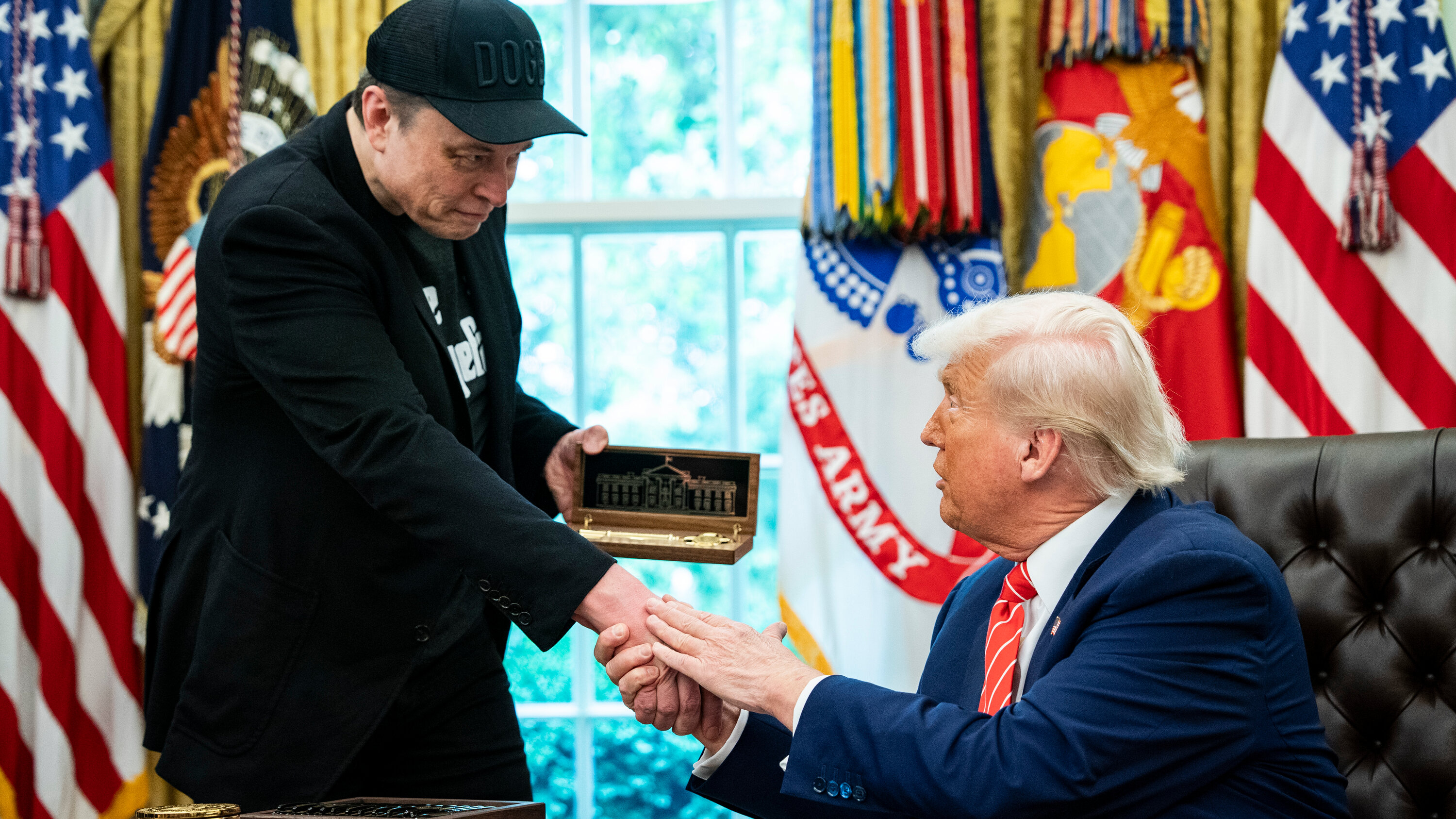
Elon Musk was not the founder of Tesla. He was not the sole visionary behind SpaceX. In fact, many of the core innovations and intellectual properties predate his involvement. But what Musk brought, and what no Lockheed executive could, was a face and persona the public could love.
Musk doesn’t wear a suit and tie unless it’s unavoidable
He speaks in a halting, awkward way that seems “real” and unscripted
He plays the part of the rogue outsider challenging entrenched systems, even while being deeply embedded in them.
He has a backstory that straddles tech nerd fantasy and Horatio Alger myth, the immigrant genius who risked it all for his dreams
The result? The military industrial complex now has a marketable, smiling, and charmingly goofy human face to put in front of the world.
The Media’s Golden Boy
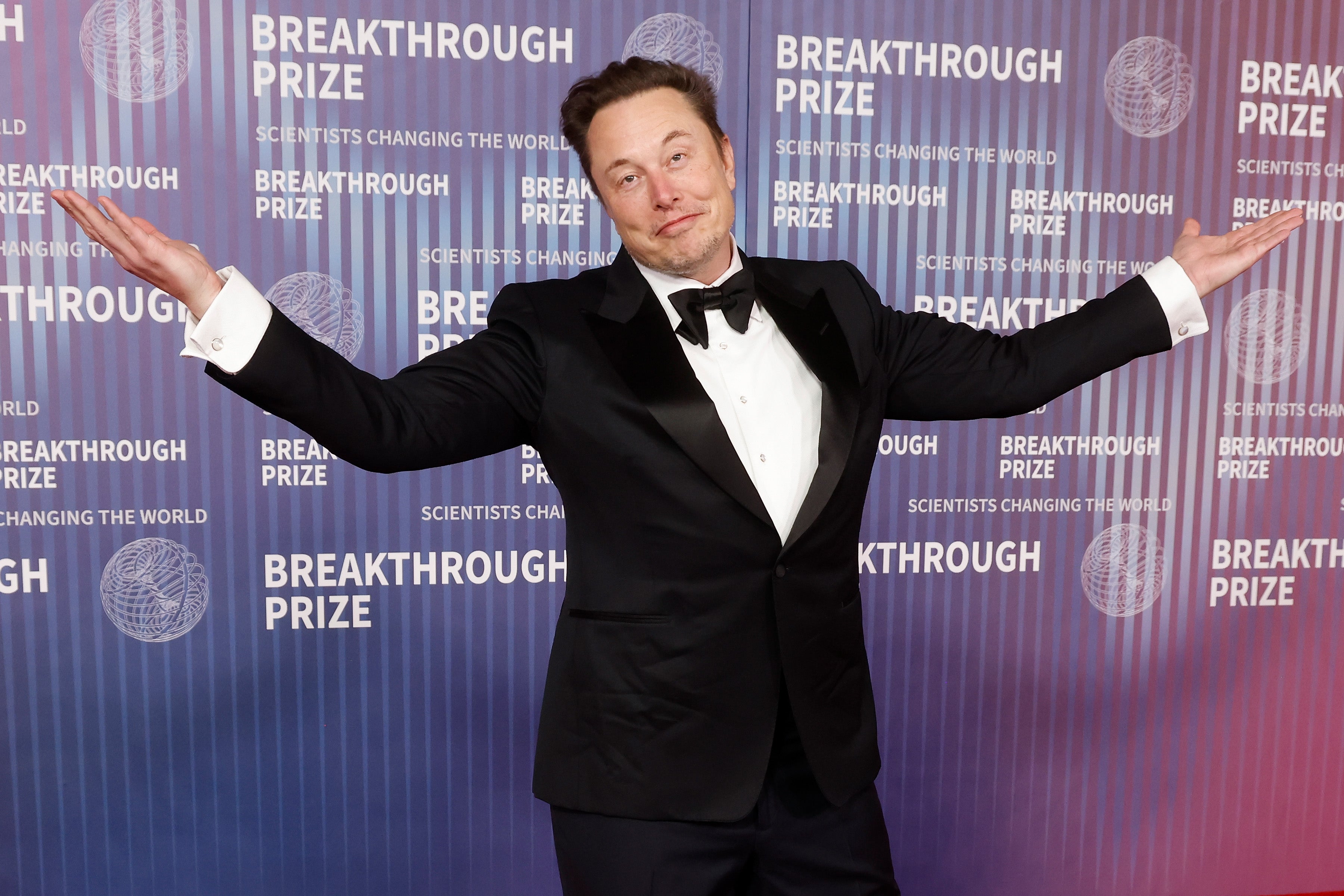
For years, Elon Musk enjoyed a level of media protection most public figures could only dream of. He wasn’t just covered, he was celebrated at every opportunity. This cannot be denied by any honest person. Major outlets framed him as the daring innovator, the brilliant disruptor, the man who would save humanity from itself. The coverage wasn’t neutral.
It was glowing, but it wasn’t just glowing, at times it’s bordered on deity worship.
Negative stories were nearly non-existent, and on the rare occasion they did surface, they were treated like harmless quirks rather than serious character flaws. Musk’s erratic behavior on Twitter? Eccentric genius at work. Missed production deadlines? The growing pains of a misunderstood visionary. Questionable labor practices? A minor footnote in the march toward progress.
There’s only a few individuals who have received this type of coverage.
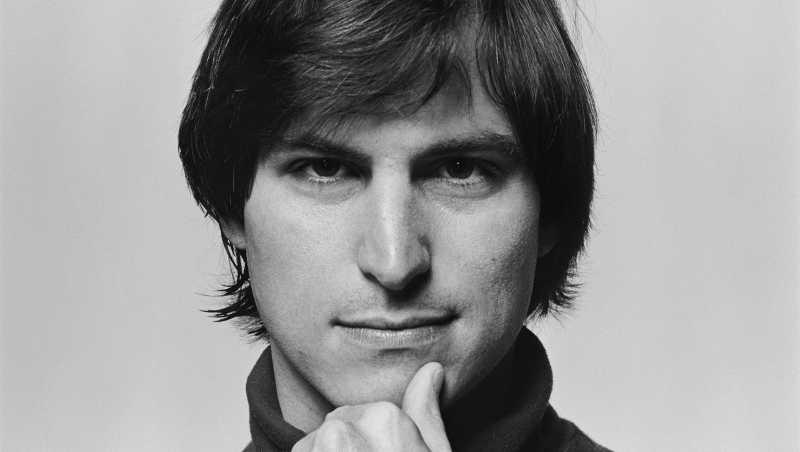
Steve Jobs (post-comeback era) — After Apple’s turnaround, coverage became borderline saintly until his death. Any criticism was drowned in “visionary genius” narratives.
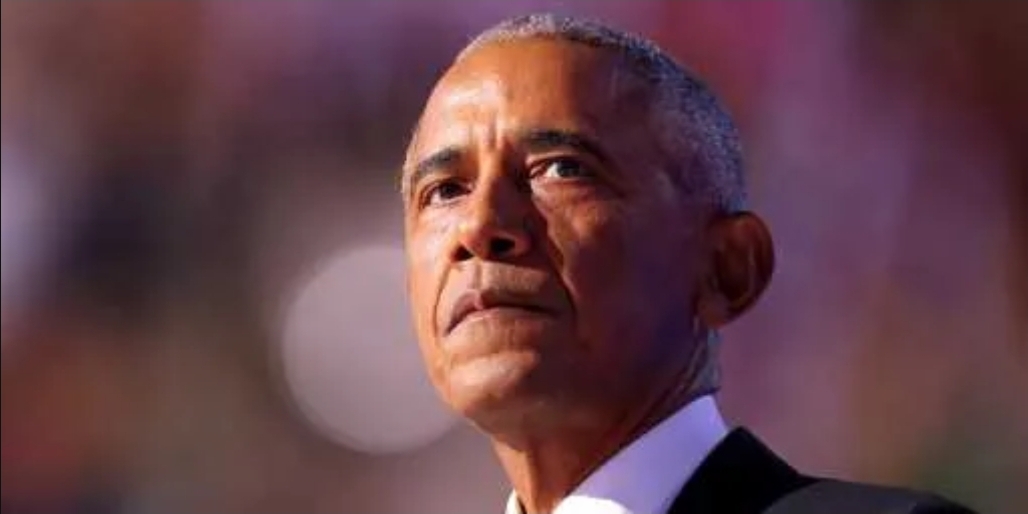
Barack Obama (2008–2012) — Early years saw an almost messianic media framing. Criticism existed but was often treated as fringe or politically motivated rather than mainstream.
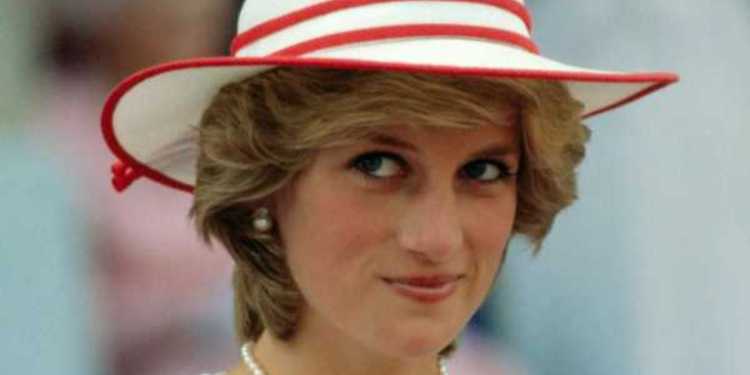
Princess Diana (post-divorce era) — Press coverage was overwhelmingly sympathetic right up until her death. The negative press mostly stuck to the royal family instead.
When you’re getting similar media coverage to Princess Diana, you’re flying in rarified air indeed.
The crazy thing to think about is, Musk’s media coverage was much better than even Diana’s.
Even when negative coverage does happen, it tends to get re-absorbed into his public persona as part of the “edgy genius” myth. The bad press often feels like a psyop subplot rather than a real threat to his image.
Take his recent X post about the H1B debate. Where he said something absolutely awful to people who were his supporters just because they had a different idea about what America first meant.
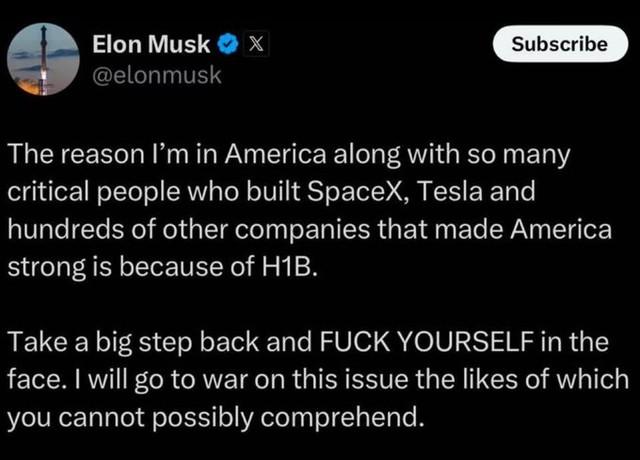
The above post was made at a time when Musk was getting the only negative press he’s ever received in his life. Yet, it did nothing to his reputation whatsoever.
Another example is the video game accounts debacle. He apparently purchased top ranked accounts to make people believe he was one of the greatest players in the world on a game that would’ve literally been impossible for him to have played himself. Then after being called out for doing this by Asmongold, like a butthurt schoolgirl he released his and Asmongolds personal messages in an attempt to smear Asmongolds name.
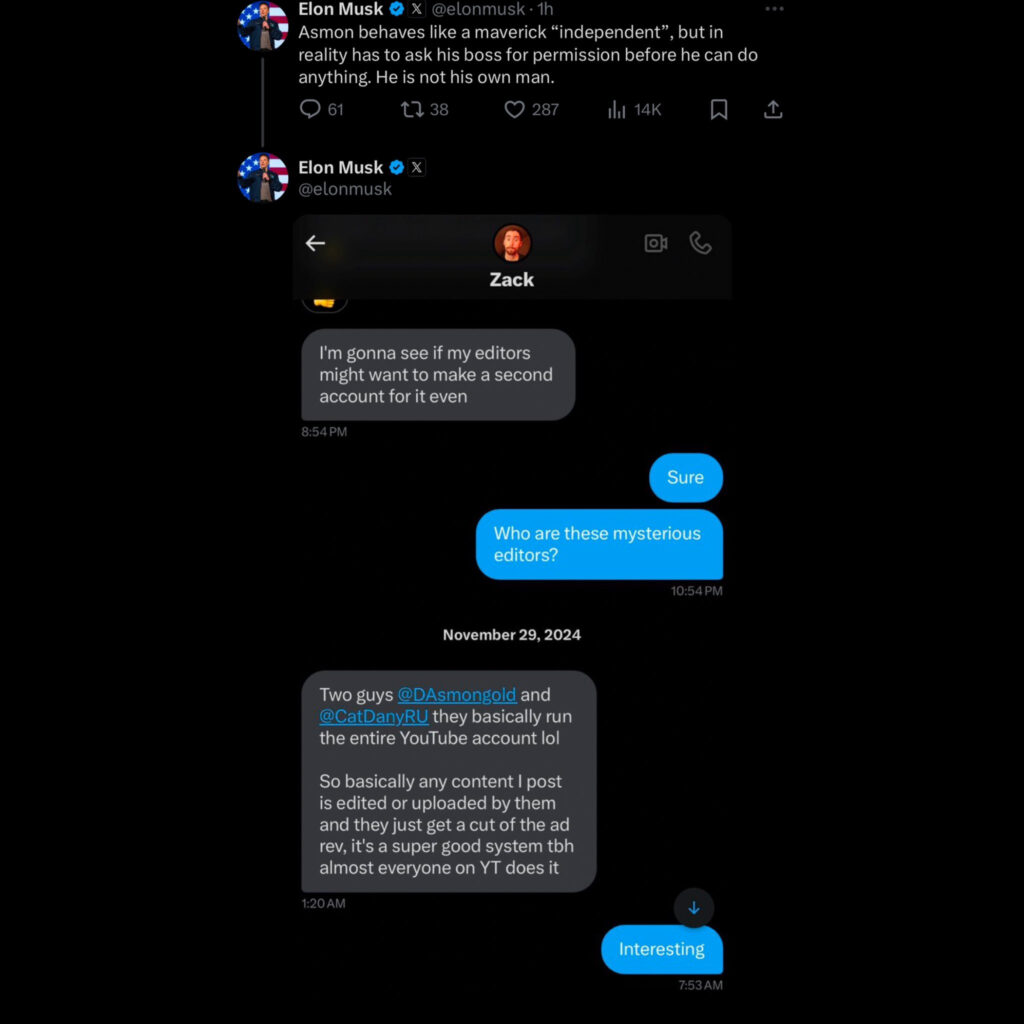
The problem was, he misunderstood why a YouTuber with an editor isn’t the same as a newspaper editor.
Once again, swept under the rug.
You don’t receive this type of protection unless you are useful to the most powerful people in the world. I know some of you may be thinking, “Elon is one of the most powerful people in the world,” while I understand why you may believe this, nothing could be further from the truth. The people with real power are not household names. In fact, their names are rarely known by anyone. These people will crush Elon like an irritating bug when he’s no longer useful for consensus building and narrative creation.
There’s example after example of Elon crashing out in front of the world without consequence. I’m not getting into the addiction he seems to have with making babies with random women. I think we can all agree this is anything but normal.
The Empire Of Musk
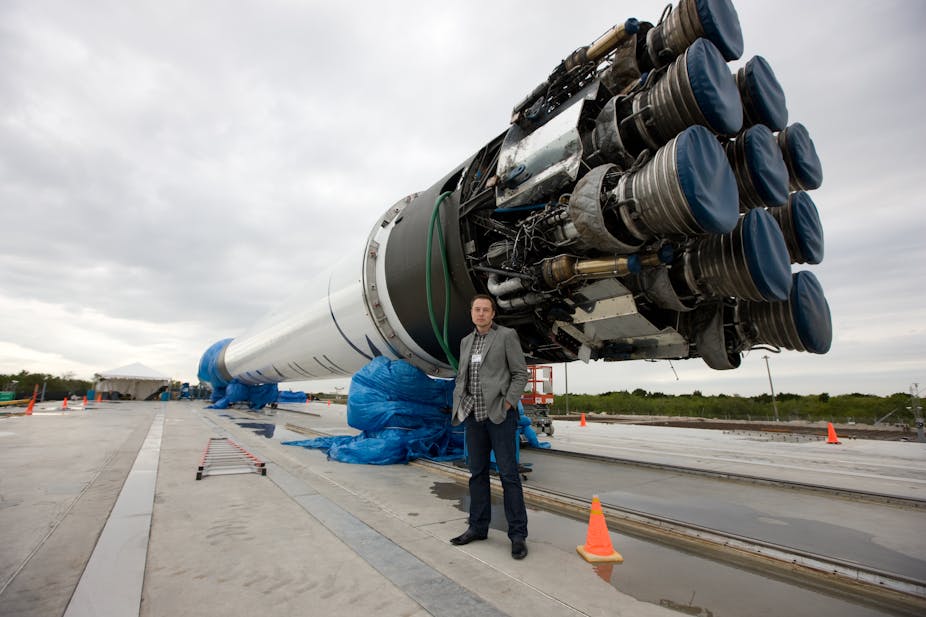
Elon Musk isn’t just some lucky meme billionaire. He’s the poster child for a state-approved tech future, hand-picked and groomed as the friendly face of a cluster of defense-aligned industries.
Let’s take a look at the core of his empire:
SpaceX – Majority of revenue from government contracts, launch services for the Air Force, NASA, and intelligence agencies. The “Mars colonization” story is just the soft-focus version of “we control low Earth orbit.”
Starlink – Sold as rural broadband, used in Ukraine and other conflict zones as the backbone of military communication.
Tesla – He’s positioned as the savior of the environment, but the EV battery supply chain is deeply tied to strategic mineral control and Chinese cooperation.
Neuralink – Ostensibly medical, but neuralink was a DARPA program originally. Somehow this government funded research ended up under Musk’s control.
The Boring Company – Looks like a joke until you realize underground transit and tunnel boring tech also have strategic and military value.
Another antidote musk likes to remind people of, is the that Tesla has never paid for advertising. Which should raise a few red flags itself. But if you’re actually paying attention you know that claim along with nearly everything he’s ever said, is a lie.
Tesla has famously avoided traditional ad buys like TV commercials and billboards for most of its existence, relying instead on hype cycles, viral stunts, social media theatrics, and the unbelievably favorable coverage Musk himself as the human clickbait machine receives.
But…
Tesla still spends money on marketing adjacent activities, PR events, product launches, sponsored content, influencer deals, and paid social posts in some markets.
His media halo works like PR armor. Any “negative” coverage is mostly either soft criticism (Twitter antics, personality quirks) or a narrative pivot to keep him relatable. No one in mainstream media seriously digs into his intelligence/military contracts, because that would mean biting the Pentagon’s golden retriever.
Even his connections to Jeffrey Epstein and Ghislaine Maxwell, connections that would have been career ending for a less protected figure, slid off of him like butter. The photos existed, the associations were known, yet they barely registered in mainstream discourse. It was as if the gatekeepers had collectively decided Musk was too valuable a narrative asset to tarnish.
This soft-glove treatment didn’t just protect Musk’s public image. It amplified it. Every glowing profile, every uncritical feature, every late-night talk show appearance reinforced the idea that Musk wasn’t just a CEO, he was a cultural hero. And when the media builds you up that high, you’re not just a businessman anymore.
You become a myth.
The PayPal Mafia – The Power Brokers That Built the Modern Tech Power Structure
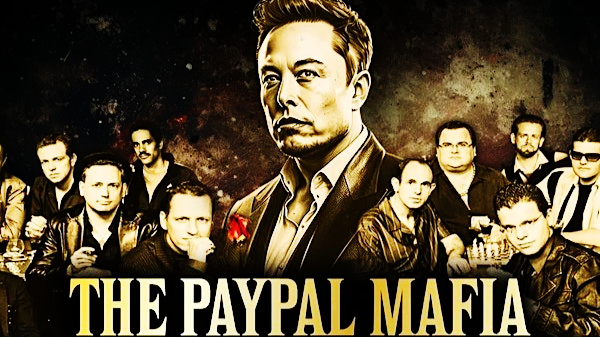
Before Musk became “the SpaceX guy” or “the Tesla guy,” he was part of something even more important to his rise, the PayPal Mafia. This was the name given to a small circle of early PayPal executives and investors who, after cashing out in the early 2000s, went on to dominate huge swaths of the tech industry, venture capital, and even political influence operations.
The list reads like a map of Silicon Valley’s current ruling class:
Peter Thiel – Co-founder of PayPal, billionaire venture capitalist, early Facebook investor, Palantir co-founder. Deep ties to the defense and intelligence world through Palantir, which has CIA funding roots and contracts with military and law enforcement worldwide.
Reid Hoffman – LinkedIn founder, major Democratic donor, funder of political influence projects like ACRONYM and New Knowledge, which was involved in a domestic disinformation campaign during the 2017 Alabama Senate race.
Max Levchin – Founded Affirm, involved in fintech expansion, AI, and cryptography.
David Sacks – Investor in tech and media ventures, political commentator with increasing influence in conservative and centrist circles.
Elon Musk – Used his PayPal windfall to invest in SpaceX, Tesla, SolarCity, and other ventures that positioned him for his current role.
What’s striking is not just the wealth these people accumulated, but the alignment of interests between their companies and the US national security state. Peter Thiel’s Palantir is essentially a data analysis arm for intelligence agencies. Reid Hoffman’s political projects have been caught running psyops. David Sacks has become an influential voice on foreign policy.
And Musk? His companies deliver satellite systems, launch capabilities, AI, and energy tech that have both civilian and military applications, often with direct government contracts.
The PayPal Mafia operates less like a group of former coworkers and more like a focused Intel cutout power bloc, each member controlling a different node in the tech-defense-political ecosystem. The fact that so many of them ended up embedded in the machinery of state and corporate power is either an incredible coincidence, or evidence that PayPal itself was a breeding ground for intel assets and influencers who could be deployed later.
Peter Thiel’s role is especially worth noting. Not only is he a bridge between Silicon Valley and the intelligence community, but he has been a vocal proponent of using technology to shape governance, often blurring the line between private enterprise and state power. It is difficult to imagine Musk ascending without this power network and the influence cultivated in this PayPal era.
When you see Musk today, you’re not just seeing Elon Musk. You’re seeing the most public-facing member of a long-standing network that already had the political and financial connections to put one of their own in front of the cameras as the “visionary” of a rebranded military-industrial complex.
Another coincidence?
Isn’t it odd how many coincidences we find when we’re looking into these “possible” intelligence assets?
That must be another coincidence, right?
Follow the Contracts
SpaceX is marketed as a private company working toward making humanity a “multi planetary species.” In reality, a large share of its contracts are military. In 2022 alone, SpaceX won billions from the Pentagon for satellite launches, secure communications, and national security payloads.
Tesla, while primarily an electric vehicle company, has direct and indirect defense applications. Its battery tech, autonomous systems, and AI capabilities are of keen interest to military planners, not to mention the valuable government subsidies that keep Tesla financially insulated.
When you look past the branding, both companies are deeply intertwined with the same government entities and defense circles Musk claims to be disrupting.
Shaping the Narrative
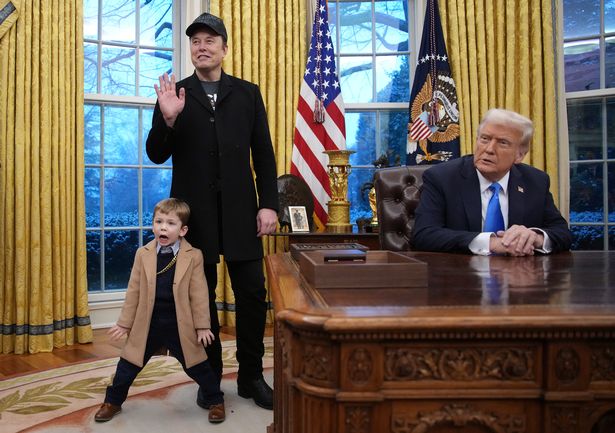
Musk has been built up into a powerful narrative weapon as much as he is a CEO. His meme heavy Twitter persona, now amplified by owning the platform, shifts public perception daily. If the guy launching spy satellites into orbit is also posting jokes about anime and Dogecoin, it becomes harder for the public to view those launches as sinister. Doesn’t it?
Instead of imagining a faceless defense contractor, people see Elon smirking into the camera, talking about making life multiplanetary “for the good of humanity.
Installed or Just Useful?
Here’s the big question. Was Musk intentionally installed as this figure, or did the machine simply find him useful and wrap itself around him?
We know he’s cultivated relationships with the Pentagon, intelligence circles, and powerful lobbyists. We know that SpaceX and Tesla could not have reached their current scale without massive government support. And we know that these industries are not in the habit of leaving PR to chance.
If this man isn’t an Intel asset I’ll eat my foot with sauerkraut and toast.
The Cost of the Illusion
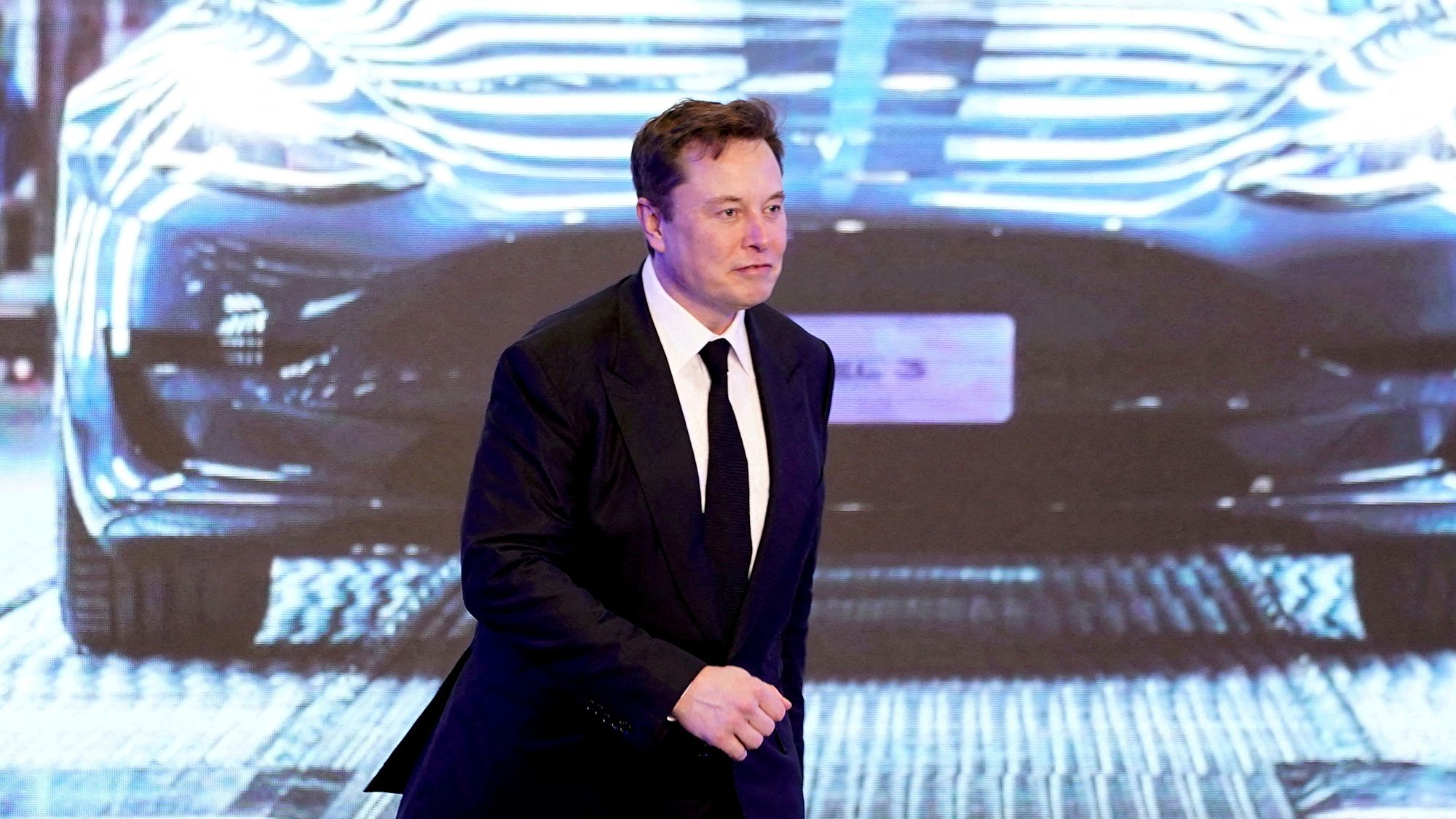
The danger isn’t just that people like Musk soften the image of a war machine. It’s that this rebranding helps normalize and accelerate projects that, once deployed, will be far harder to resist, from autonomous weapon systems to permanent off world military installations.
If the smiling tech genius is leading us into it, how bad could it really be?
That’s the illusion.
An illusion the shadow powers have spent decades perfecting.
Musk’s greatest trick wasn’t landing a rocket or selling an electric car. It was convincing the public that his rise was organic, self-made, and even a little rebellious, while standing center stage as the most polished frontman the military industrial complex has ever rolled out.
The “no ads” myth is just the bow on top. It’s also a sly wink to his partners on the inside, without the overly trusting public from catching what he’s throwing.
He’s right, he doesn’t need commercials because the system he serves spent the last two decades building him into a walking advertisement. Every tweet, every stunt, every puff piece, is a recruitment poster for a future decided on without our input, and we’re left arguing over the important things like whether or not Elon Musk is a top rated Diablo player.
The more you think about these people, the more absurd they become.
I could go on but this post is already too long for email so I may have to do a part two on Musk.
In the end, Musk’s greatest product isn’t a car, a rocket, or a satellite network. It’s the illusion that all of this was willed into existence by a lone eccentric genius rather than cultivated by the same state and corporate apparatus that has been running the show for decades. His companies don’t need traditional ads because the media and the military industrial complex have been running the campaign for him all along. The public just mistakes the billboard for the man.
Consider subscribing for more deep dives into the world of shadow power.