In this entry of Dark History, we explore Ricardo Lopez, the stalker who filmed himself building and mailing a bomb to Icelandic singer Björk before taking his own life.
Date: September 16, 1996.
Location: The Van Buren Plaza apartments in Hollywood, Florida.
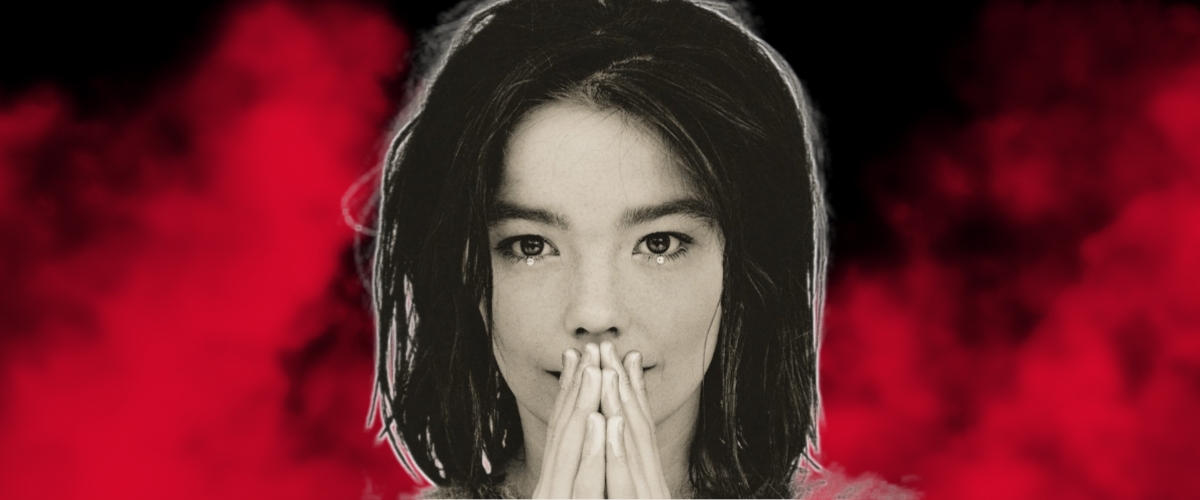
First came blood.
The thin crimson line, spiderwebbing its way through the beige wall of apartment 213, left the building manager frozen in place. Standing in the hallway, watching it crawl across the surface of the paint, he realized something was very wrong.
It was the kind of day where the air felt thick enough to touch, when heat warps reality, making everything shimmer with unreliability.
The sickly sweet smell was unmistakable to the veteran officers. Lopez’s body had been there for days, slumped in front of a camera, still set to record, on a tripod. His face smeared with red and green paint like a nightmarish circus clown.
The September heat accelerated the bodies decomposition. Phrases of insanity covered the walls in maniacally scrawled handwriting. The apartment, a shrine of obsession: magazine clippings, photographs, elaborate charts and timelines.
On the tripod sat a videotape, carefully labeled: “The Last Day.”
Detective Robert Marrero picked up the tape, turning it over in his gloved hands. Behind him, crime scene techs were photographing the body, the walls, the bizarre remnants of a mind that had come completely unmoored. But something nagged at Marrero. This wasn’t just a suicide. The meticulous staging, the camera, the label: this man wanted someone to find this.
Wanted someone to watch.
What Marrero didn’t know, what no one knew, as the scene was processed in the sweltering Florida apartment, was that they’d only discovered half of the horror.
Somewhere over the Atlantic, or perhaps already on British soil, a non discreet package was making its way through the postal system. Addressed to one of the world’s most famous artists. Inside a hollowed out book, a spring loaded bomb, containing enough sulfuric acid to destroy a human face.
Everything was set in motion before the trigger was pulled.
Unbeknownst to Detective Robert Marrero.
The countdown had begun.
The Rise Of An Icon

In the mid 1990s, Bjork was unstoppable. The Icelandic artist’s unique voice and avant garde style captivated audiences worldwide, making her one of the era’s most interesting performers.
MTV began playing her videos on heavy rotation.
Magazine covers proclaimed her a genius.
She represented a new kind of stardom, artistic, uncompromising, and personal.
But while millions admired her unique voice on MTV, one man was watching from a far darker place, consumed by envy that would drive him to murder.
The Man In The Shadows
Ricardo Lopez was 21 years old, the son of a middle-class family who came to the United States from Uruguay. He lived most of his life in America, first in Georgia, then in Florida. To support himself, he worked part time for his brother as an exterminator.
To neighbors and coworkers, he seemed unremarkable, quiet, and withdrawn. Lopez was a high school dropout who kept entirely to himself inside his Hollywood apartment, though no one noticed at the time, he was quickly descending into madness.
He poured over every Björk interview, analyzed every lyric, studied every photograph. He became convinced that she was speaking directly to him, that her art contained coded messages meant for his ears alone. In the pre-internet era of the 1990s, this kind of fixation required a special type of dedication. Lopez collected magazines, recorded television appearances with his VCR, and bought every album.
His apartment became a shrine.
What started as fandom had metastasized into something far more dangerous: a poisonous mix of desire and resentment.
In January 1996, Lopez began filming his video diaries. He initially sent some to Bjork’s management, rambling monologues that seemed like the work of an overeager fan. As weeks turned to months, the recordings grew darker. His tone shifted from admiration to possessiveness, from fantasy to fury. He stopped mailing the tapes, instead keeping them as a private chronicle of his unraveling sanity.
The videos documented not just an obsession, but a transformation. Lopez’s entries became increasingly erratic, his thinking more distorted. He began speaking to the camera as if Bjork herself were watching, as if this were a conversation rather than a monologue shouted into the void.
Alone in his apartment, Lopez began constructing a weapon. Using readily available materials, sulfuric acid, springs, and a hollowed out book, he built a device designed to explode upon opening, spraying concentrated acid directly into the victim’s face. He forged a letter on fake record company letterhead, complete with professional logos and language, ensuring she would have no reason to suspect danger.
Then he addressed the package to her London home and sent it into the postal system.
The trap was set.
When the Industry Enables Obsession
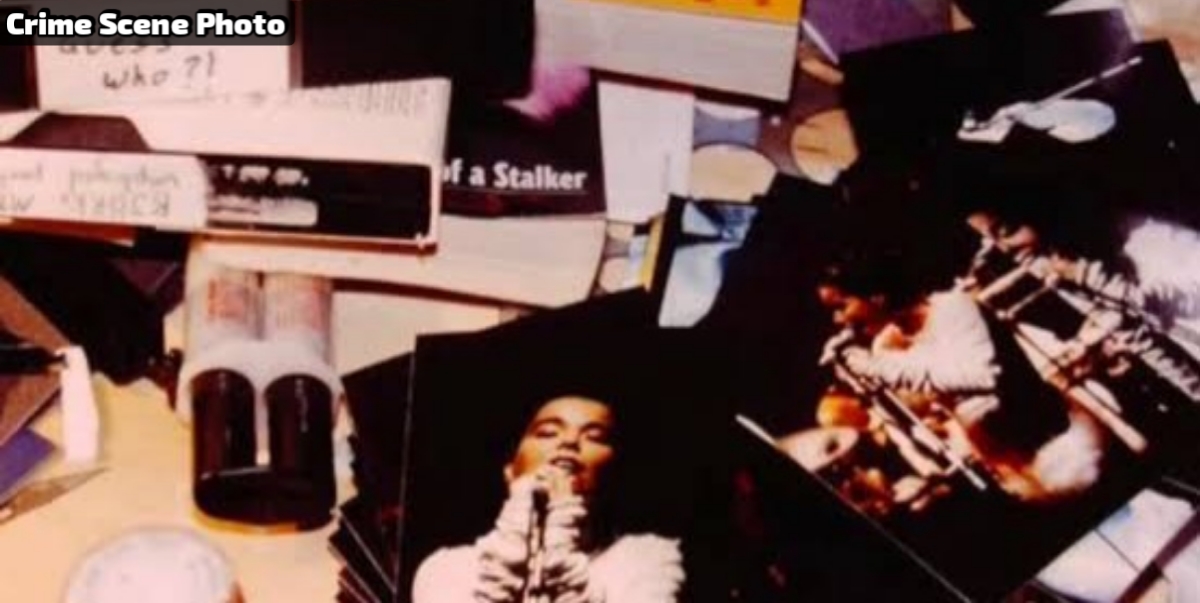
Lopez’s fixation didn’t emerge in a vacuum. It was fed by an entertainment industry built on manufactured intimacy. In the 1990s, the machinery of celebrity was reaching new heights of sophistication.
Music videos weren’t just promotional tools, they were intimate visual narratives. Magazine profiles presented stars in their homes, sharing personal details and vulnerabilities. MTV’s “Unplugged” series and similar programs created the illusion of private performances, just for you.
These carefully crafted glimpses created what psychologists call “parasocial relationships,” one sided bonds where fans believe they know the artists they admire. For someone like Lopez, already isolated and struggling, these manufactured moments of intimacy felt like genuine connection. He wasn’t just watching Bjork perform, he felt like he was part of her life.
The media ecosystem of the 1990s provided more than emotional fuel, though. It provided logistics.
For just five dollars, Lopez purchased Bjork’s private London address from a “celebrity service,” part of a thriving shadow industry that traded in the personal information of public figures. These services advertised in the back of entertainment magazines, promising fans the chance to “write directly to your favorite stars.” No questions asked, no verification required. Anyone with pocket change and a credit card could buy access to a celebrity’s doorstep.
The industry had sold him the fantasy of intimacy. Then it sold him the address where that fantasy could become reality.
The Anatomy Of Evil
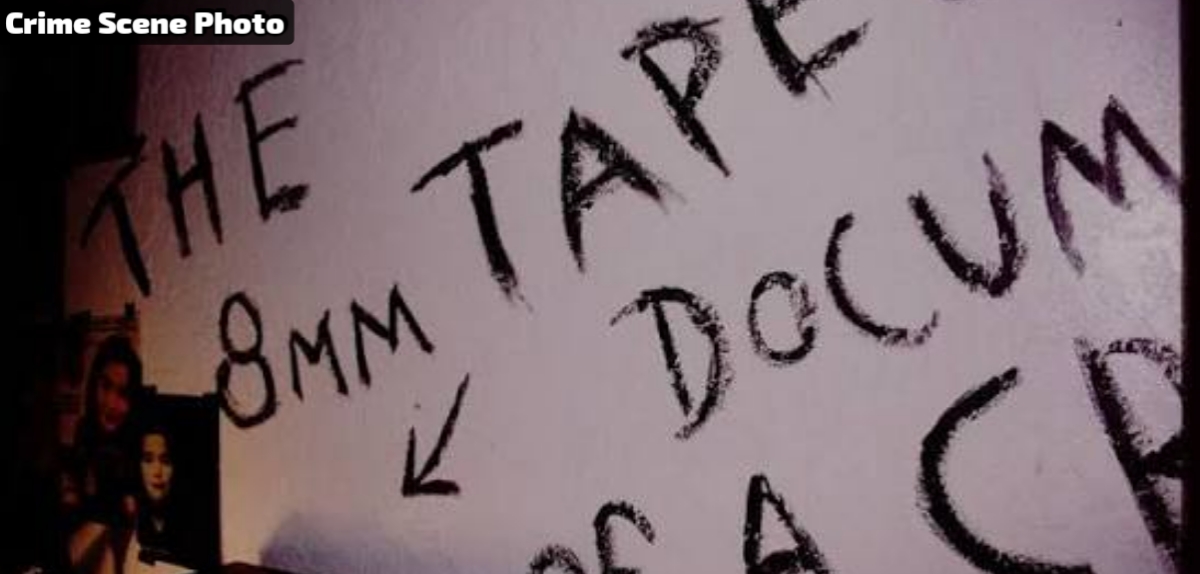
The videotapes and an 803 page handwritten diary revealed the full scope of Lopez’s psychology. According to forensic psychologist Dr. Louis Schlesinger, who later analyzed the case, Lopez exhibited classic signs of what criminologists call “malignant envy,” a toxic combination of admiration and resentment that can turn violent when triggered.
Lopez was a profoundly lonely man, ashamed of his appearance, and consumed by feelings of inadequacy. At 18, he latched onto Bjork as an escape, a glamorous alternative to his painful reality. Her success, her creativity, her beauty represented everything he felt he lacked. In his mind, she became both an ideal and a mirror, reflecting back everything he would never be.
“Being in love, having an infatuation, is a euphoric feeling,” he confessed to his camera. For a time, his fixation gave him purpose, something to focus on beyond his own struggles. He imagined himself as her soulmate, the one person who truly understood her art.
Then came the breaking point, news that Bjork was dating Goldie, a successful British musician known for his pioneering work in drum and bass music, and more importantly to Lopez, he committed the unforgivable sin of being born black.
For Lopez, this was an unbearable betrayal. His diary entries turned venomous, laced with jealousy and racist invective. How dare she choose someone else? How dare someone he deemed unworthy possess what he could never have? The parasocial relationship he’d constructed in his mind, where he and Bjork were connected by some cosmic understanding, shattered against the reality that she was a real person living her own life, making her own choices.
The envy that had simmered beneath his obsession erupted into rage. He began planning what he called his ‘deliciously sadistic’ revenge, an acid bomb delivered directly to her. In his twisted logic, if he couldn’t possess her beauty…
He would erase it.
September 12, 1996: The Final Recording
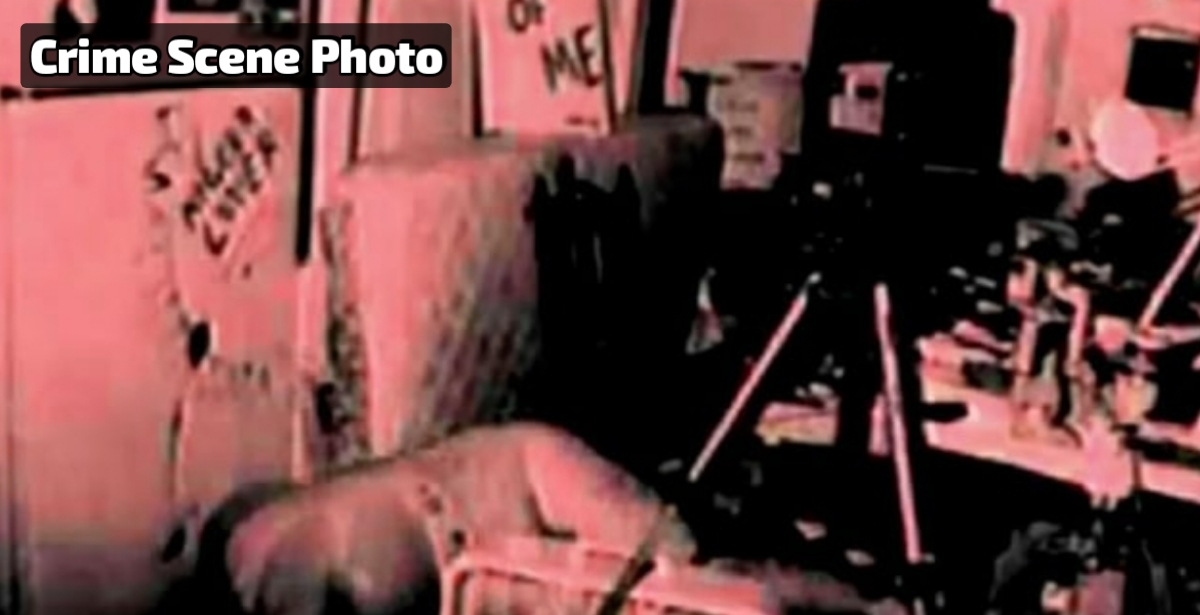
Lopez made his final recording on a Friday morning. He had painted his face red and green, the colors of the Hungarian flag, though his reasoning was unclear, even to him. The ritual was meant to steel his resolve for what came next.
As Björk’s music played softly in the background, her voice filling the apartment one last time, he positioned himself in front of the camera. His final words were brief,
“This is for you.”
The gunshot echoed through the empty apartment. Lopez’s body crumpled and fell out of frame.
For four days, his body decomposed in the Florida heat while the bomb traveled across the Atlantic.
A Race Against Time

When investigators watched Lopez’s videotapes, they realized with mounting horror that the bomb was already in transit. It could arrive at Björk’s London home at any time, there was even a possibility it had already arrived.
At 3:00 AM London time, Scotland Yard received an urgent call.
Detective Inspector Colin Hackett of the Metropolitan Police mobilized a specialized mail interception team. In the pre-digital era, tracking a specific package across international postal systems was a logistical nightmare. British authorities had developed a confidential system for exactly these emergencies, though, allowing them to flag and locate dangerous mail based on origin points and destination addresses.
The team raced against the morning delivery schedule. Every hour that passed meant the package moved one step closer to Björk’s door.
At 9:47 AM on September 17, they found it at a Royal Mail sorting facility in south London, just one stop away from final delivery. Bomb disposal experts carefully X-rayed the package, confirming the presence of a mechanical device. They transported it to a secure location, where controlled disassembly revealed the full horror of Lopez’s design.
Inside the hollowed book, they found a spring loaded mechanism rigged to spray sulfuric acid directly outward when opened. The concentration was industrial grade, capable of causing devastating, permanent disfigurement. The device was crude but functional.
It would have worked.
Björk was safe. Barely.
The Aftermath and the Eternal Bond
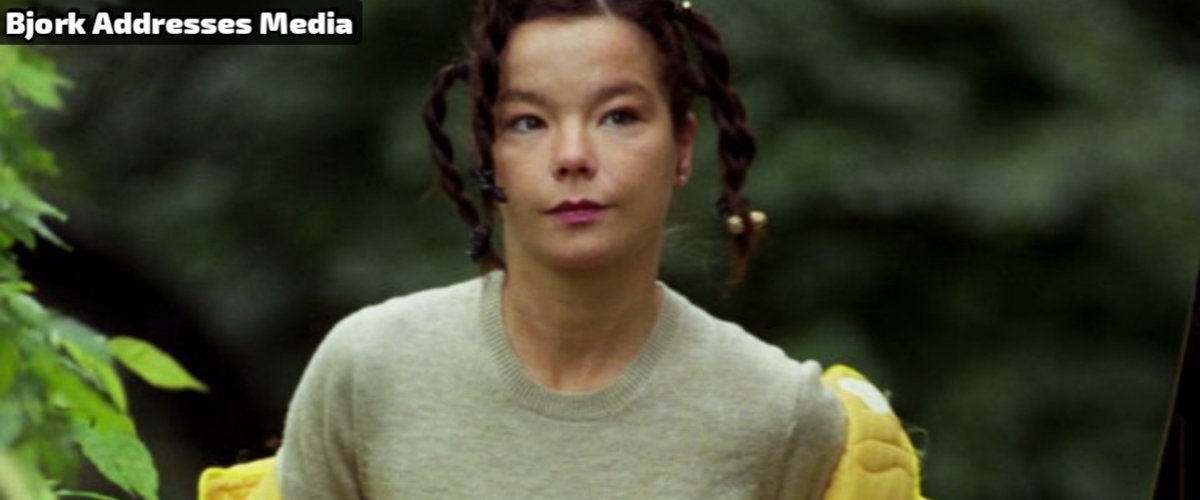
Shortly after learning of the intercepted bomb, a visibly shaken Björk addressed reporters outside her London home. The artist who had always been so confident, so avant-garde, looked small and frightened. “I make music, but… people shouldn’t take me too literally and get involved in my personal life,” she said, her voice tight with emotion.
It was both a plea and a warning, rrecognition that the intimacy artists create through their work can be twisted by troubled minds into something dangerous. Yet it was also an impossible request. In an era where celebrity culture thrived on the illusion of access, asking fans to maintain distance felt like asking them to deny the very connection that gave the art its power.
The case prompted some changes in how celebrity addresses were handled. Several of the most egregious “celebrity services” were investigated, and mail screening procedures for public figures were enhanced in the UK. But the fundamental economics of fame, the selling of intimacy, the commodification of parasocial relationships, continued unabated.
For law enforcement, Ricardo Lopez’s videotapes became evidence studied by law enforcement and psychologists as a rare window into the mind of a stalker. The tapes are disturbing not because they show violence, but because they show the slow process of a human mind consuming itself, 168 hours of footage documenting the transformation from lonely fan to would be murderer.
For other artists, Lopez became a cautionary tale whispered in green rooms and tour buses. Some increased security. Others reconsidered how they engaged with fans, pulling back from the accessibility that had defined the MTV generation. A wall went up, invisible but real, between performer and audience.
Lopez’s family rarely spoke publicly. What do you say when someone you loved became a monster? The shame and confusion were compounded by grief. The brother who’d been quiet and awkward was also the brother who’d tried to commit murder. Both truths had to exist simultaneously.
Today
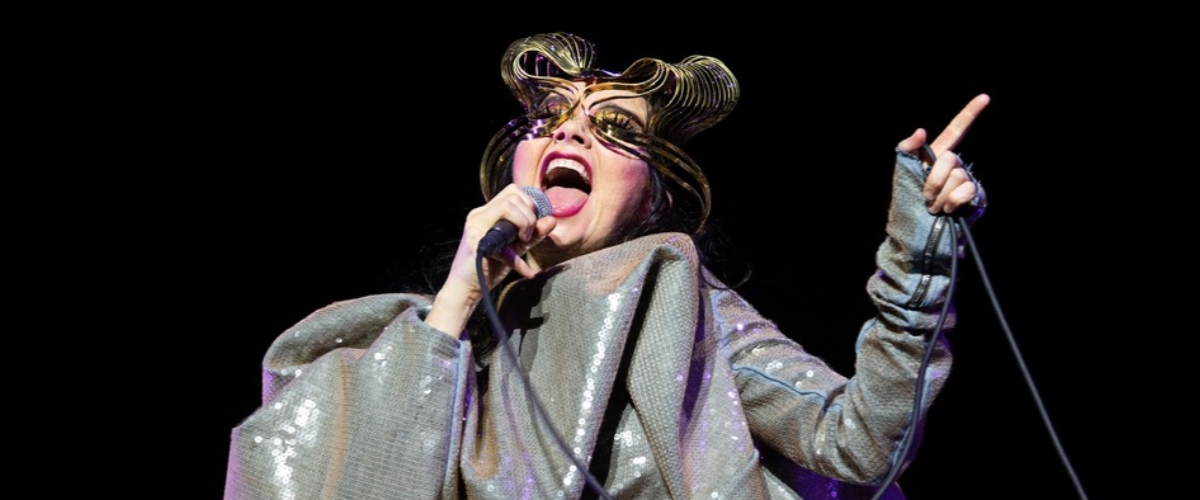
Björk continued her career, releasing critically acclaimed albums and pushing artistic boundaries for decades. She rarely speaks publicly about Lopez, though she acknowledges how the experience shaped her need for privacy. In a 2015 interview, she mentioned incidents like this reminded her “the difference between public persona and private self isn’t just preference…it’s survival.”
The bomb itself remains in evidence storage somewhere in Florida, an artifact of obsession that will likely never be destroyed due to its notoriety. Lopez’s videotapes have also been preserved, with access tightly restricted. Occasionally clips surface online, feeding a new generation’s appetite for true crime, the voyeurism Lopez himself practiced, transformed into content.
The incident faded from headlines but has never fully disappeared. It resurfaces periodically, in true crime podcasts, YouTube documentaries, and in articles like this one. Each retelling keeps Lopez’s name attached to Björk’s, a parasitic immortality he died believing he’d achieved.
And unfortunately, as this article proves… he was right.