From child actor to controlled opposition: The hidden machinery behind Tim Dillon’s transformation into the podcast generations favorite loud mouthed pig!
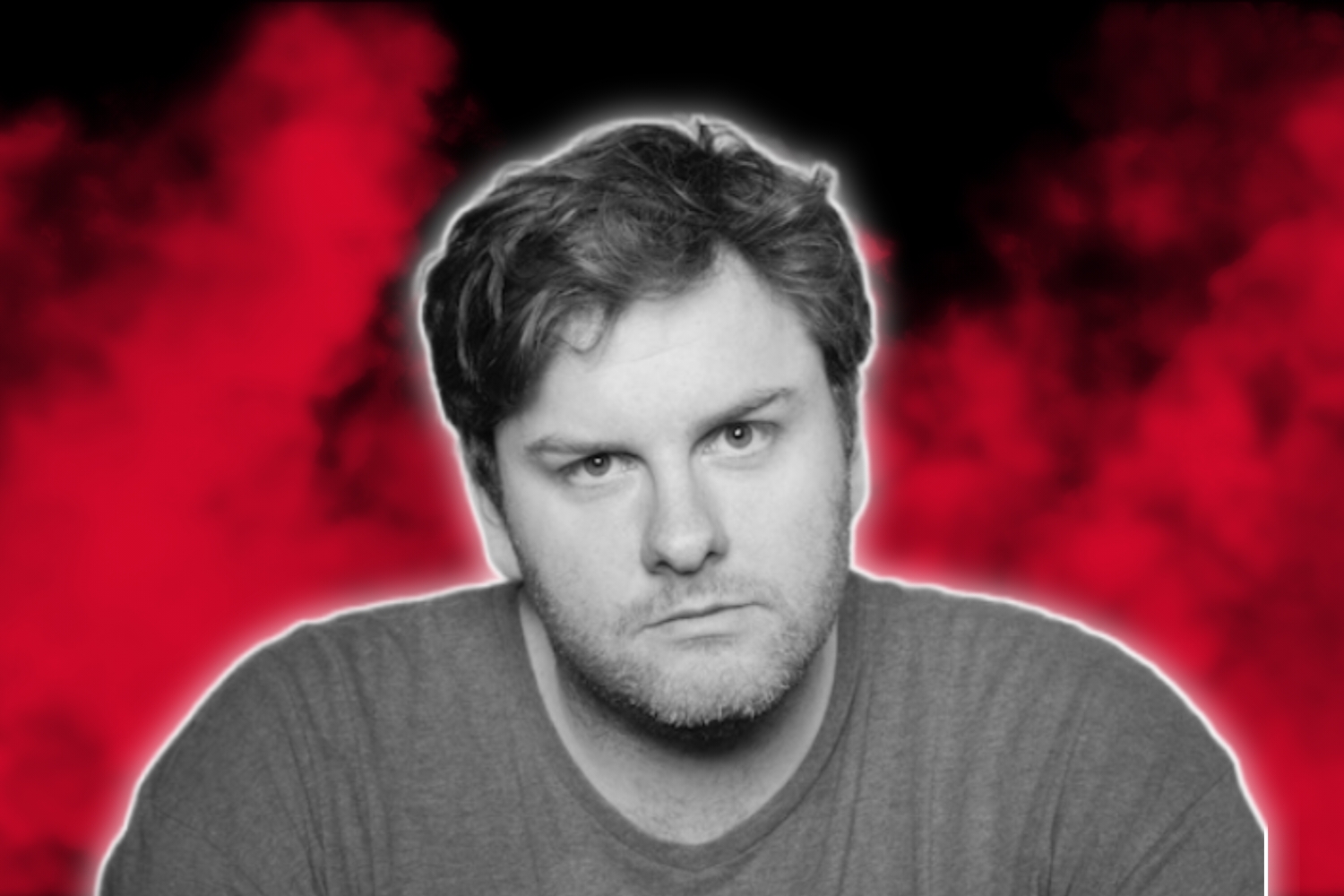
I like Tim Dillon, his humor, his energy, the way he makes us laugh at things that by all rights should make us cry.
The recent interview with a bloody Palestinian leg.
Who else could’ve pulled that off?
Nobody.
And that, my friend, is exactly the point.
Whenever I write pieces about celebrities, I get fans who see it from the understandable perspective of “you’re just a hater.” But nothing could be further from the truth when it comes to Tim Dillon. I genuinely like the guy, who doesn’t like a fat clown in colorful sunglasses, one of a thousand different Ralph Lauren shirts, and a stupid looking trucker hat yelling about conspiracy theories and Intel agencies? The Tim Dillon character was tailor made for someone exactly like me.
That said, I understand it is a character, and liking him doesn’t mean I can’t also examine the machinery behind madness. While reading, remember, this isn’t about hate, it’s about noticing the patterns that shape the stories we hear, the voices we trust, and the narratives written in the shadows before being pushed into the light by figures like Tim Dillion.
I’ve written similar pieces about Theo Von, Joe Rogan and Alex Jones as well. This isn’t meant as a character assassination against Tim Dillon. I’m simply pulling back the sheets and revealing what’s hidden beneath.
The Archetype of Manufactured Dissent
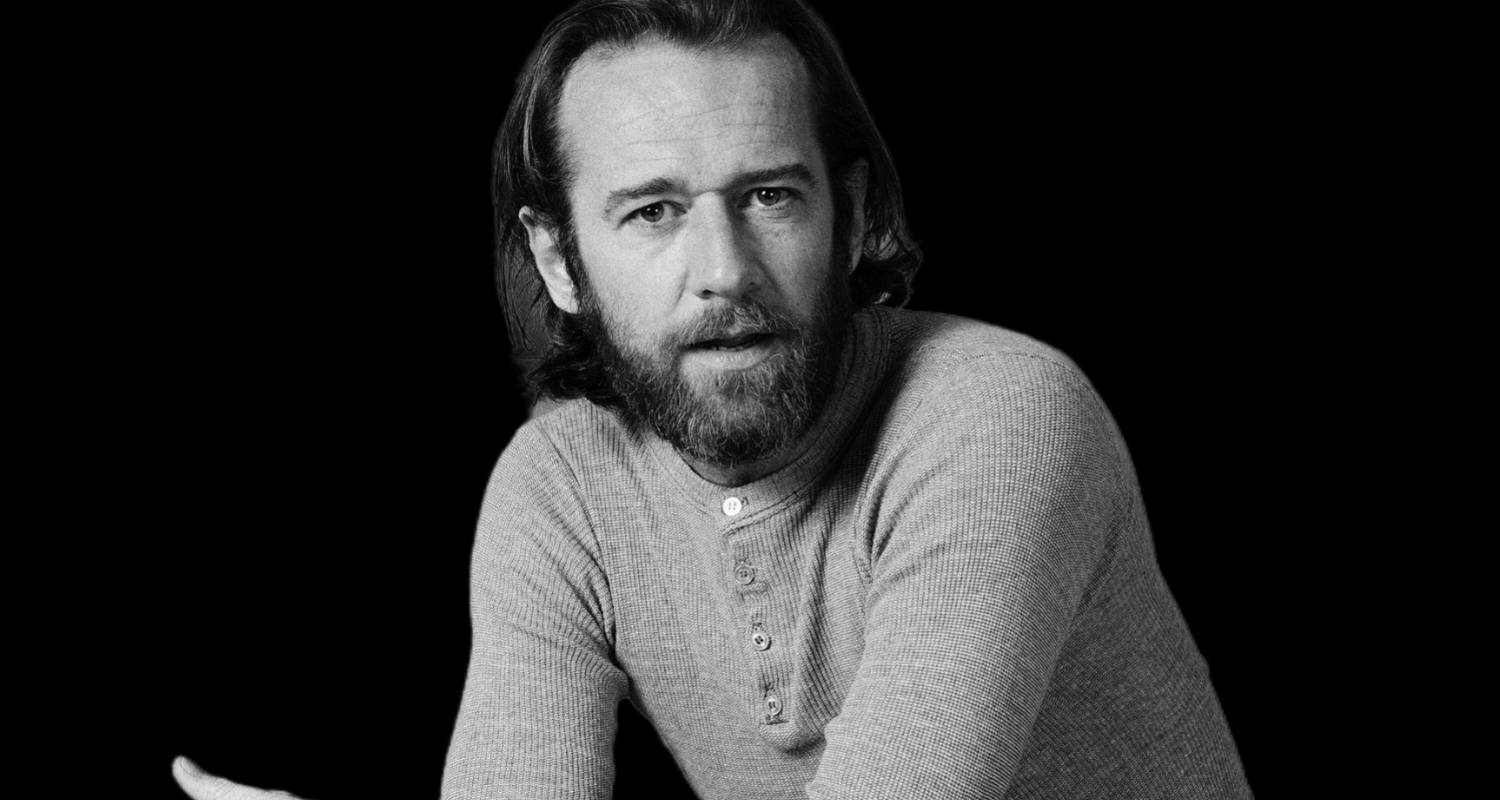
Every era gets its approved iconoclasts, the rebels allowed to rage in prime time without ever toppling the stage. Hunter S. Thompson in the 70’s. George Carlin in the 80’s, turning anti-establishment cynicism into HBO specials. Bill Hicks in the 90’s, spitting fire about media corruption while standing on corporate-owned stages. Alex Jones in the 2000s, railing against globalists between ad reads for water filters. Jones and Hicks are so similar that some still claim they were played by the same man. As wild as it sounds, the theory can’t be dismissed outright. And now we’re given Tim Dillon, podcasting’s crowned chaos agent.
All of these characters fill the same role. They let the public feel like someone is breaking ranks, torching sacred cows, and speaking unfiltered truth…
All while the system stays intact.
Is it coincidence that Dillon’s persona, the truth-teller railing against elites while swimming comfortably in their orbit, hits the same beats? Or is this the next iteration of the same archetype, optimized for the algorithm and monetized through Patreon?
The people who own culture also know how to rent a dissident, wrap him in chaos, and feed him to the masses starving for someone “real.” It’s a strategy as old as the CIA, only now it runs on algorithms and ad revenue.
So how does a kid who once played background roles on Nickelodeon grow into a media powerhouse pulling in millions, podcasting from mansions, and rubbing elbows with the very elites he roasts? You can write that off as hustle and talent, sure. Or you can start asking the question that only someone like Dillion himself is allowed to ask.
Was Dillon’s rise purely organic, or is he another asset in the machinery that manufactures controlled rebellion?
Let’s find out.
The Early Years: Child Actor or Child Asset?
Before Dillon became the “truth-telling” podcaster, he was already on camera. He began acting as a young child, appearing in commercials and local theater productions, and then moving into small speaking roles on national television. Notably, he appeared in shows such as Sesame Street, As the World Turns, and other network programs in the 1980s and 1990s. These were speaking parts, not background work, parts normally saved for those with connections.
These roles gave him skills in timing, memorization, and audience engagement, skills that translate seamlessly into podcasting, live performance, and mass influence.

By now, most are aware that child actor pipelines in Hollywood are more than entertainment training grounds, they are subtle grooming mechanisms.
Industry gatekeepers use these environments to identify malleable personalities who can later become influential figures. Dillon’s early trajectory checks many boxes of someone positioned to later operate as a media conduit, early access to agents, industry literacy, and exposure to professional production culture.
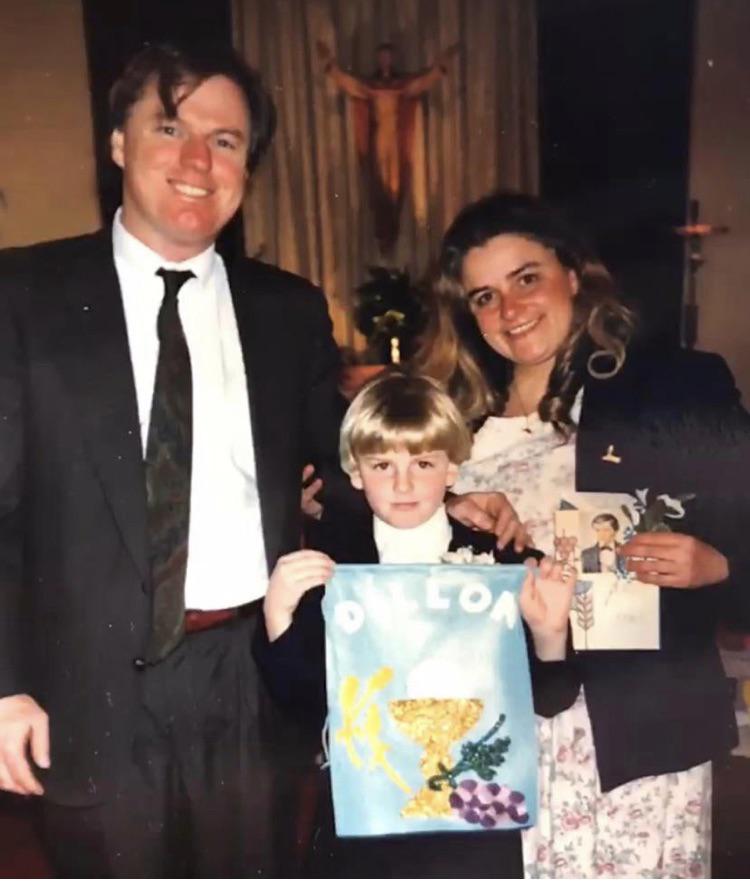
While I genuinely enjoy Dillon’s humor and presence, it’s impossible to ignore how consistent his career pattern is with others who began as child actors and later became cultural influencers. Many major figures followed this template: early indoctrination into controlled media environments, later rewarded with industry access and credibility.
CAA and the Machinery Behind Tim Dillon
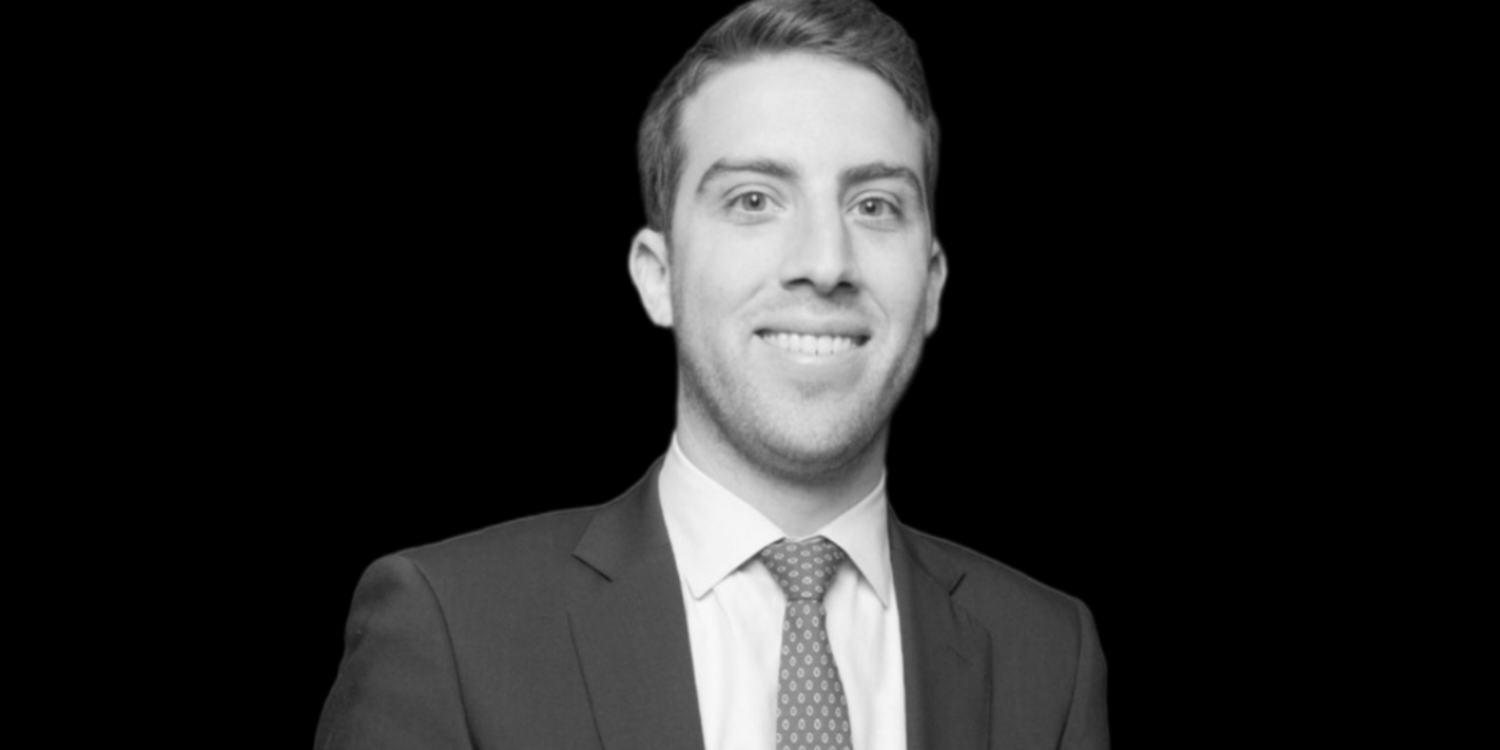
Dillon’s rise in comedy and podcasting is tightly connected to Creative Artists Agency (CAA), the entertainment powerhouse that manages some of Hollywood’s most influential talent. Jacob Schiff at CAA’s Los Angeles office manages him. CAA has been central to shaping cultural narratives, representing actors like Tom Hanks, Leonardo DiCaprio, and Tom Cruise, all of whom consistently appear in government-aligned films.
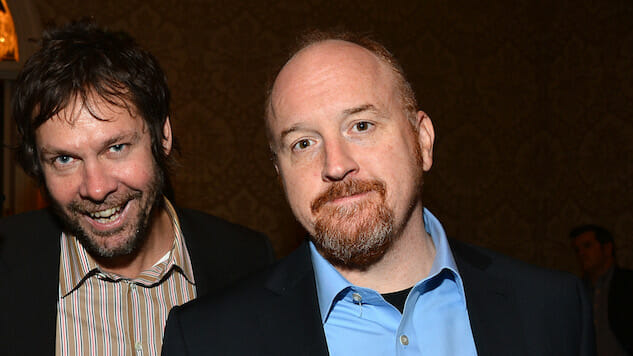
Backing Dillon further is Dave Becky of 3 Arts Entertainment, a manager whose client list reads like a who’s who of comedy royalty. 3 Arts doesn’t just book gigs; it molds careers, decides who gets high-profile specials, and shapes media narratives. Then there’s Rob Greenwald at 2pm Sharp, Dillon’s PR strategist, who manages story placement, audience engagement, and trending narratives.
This trio, CAA, 3 Arts, and PR, forms a system designed to amplify voices while keeping them safely within boundaries that serve existing power structures.
Even though the infrastructure is sophisticated, Dillon’s comedic skill and timing make the whole operation feel natural.
The “Pig” Persona: Calculated Authenticity
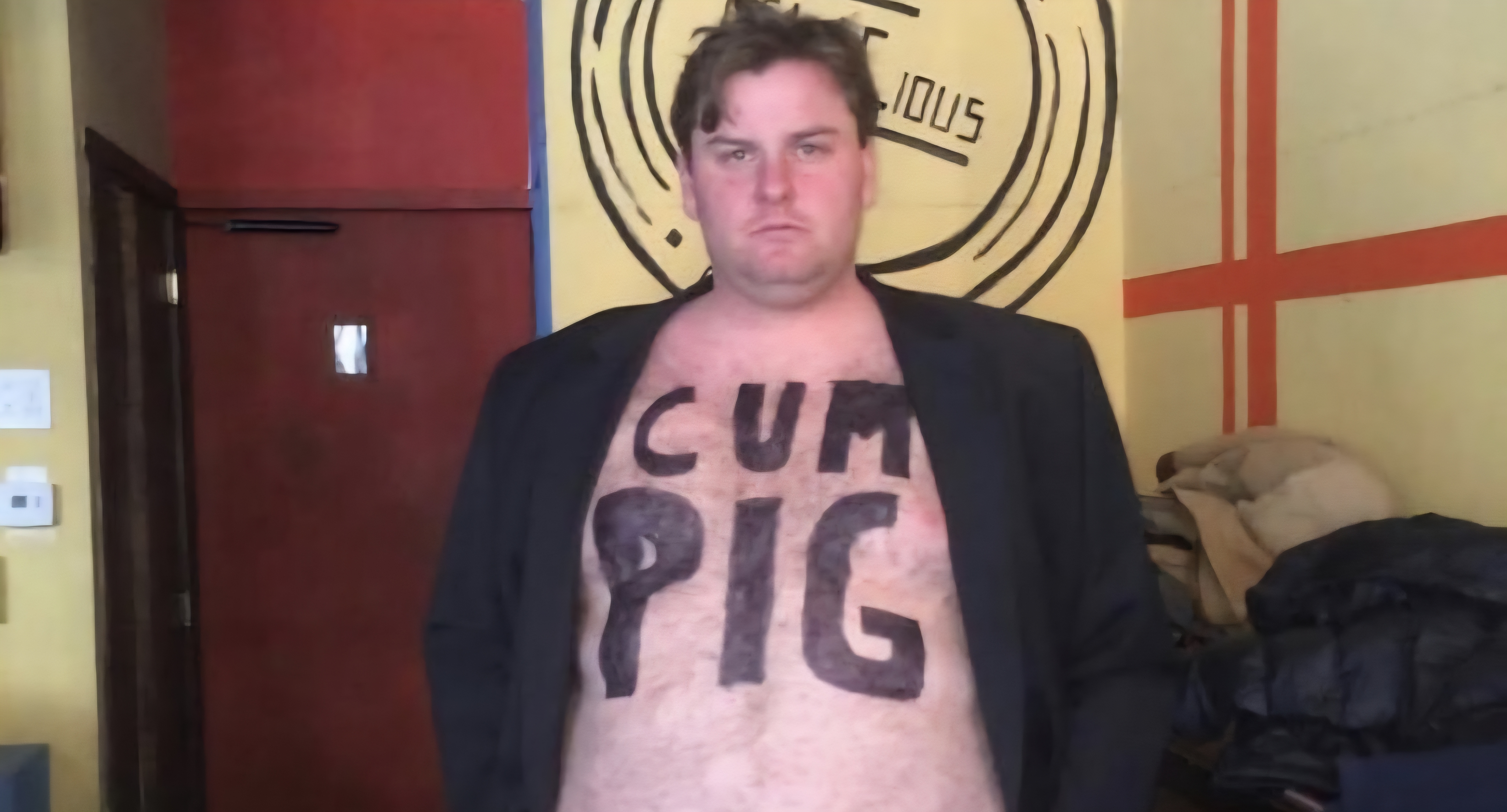
Dillon’s self-deprecating “pig” persona is central to his appeal. Fans on social media and Reddit embrace it. He presents himself as a slovenly, gluttonous outsider who sees through society’s BS precisely because he refuses to maintain respectability.
But this is carefully crafted psychological positioning. By preemptively degrading himself, Dillon deflects criticism while appearing raw and authentic. It allows him to be offensive, crude, and edgy without seeming calculated. The comedic equivalent is: “I’m not a refined intellectual, I’m just a pig who notices things.”
This persona is a textbook controlled opposition tactic. By rejecting mainstream polish, Dillon makes audiences trust him while remaining fully within the systems that amplify his influence. The humor is brilliant, but the branding is engineered.
Safe Boundaries: What Dillon Avoids
Despite his anti-establishment image, Dillon avoids topics that would threaten major institutions. Wall Street critiques are surface-level, although joked about often, intelligence agencies are rarely challenged in a real way, and political dynasties remain largely unexamined. He critiques corporations and tech giants, but always in ways that entertain rather than destabilize.
These boundaries are strategic. They allow Dillon to appear rebellious while never seriously confronting the power structures that enable his career. Audiences feel radical, but the system remains secure.
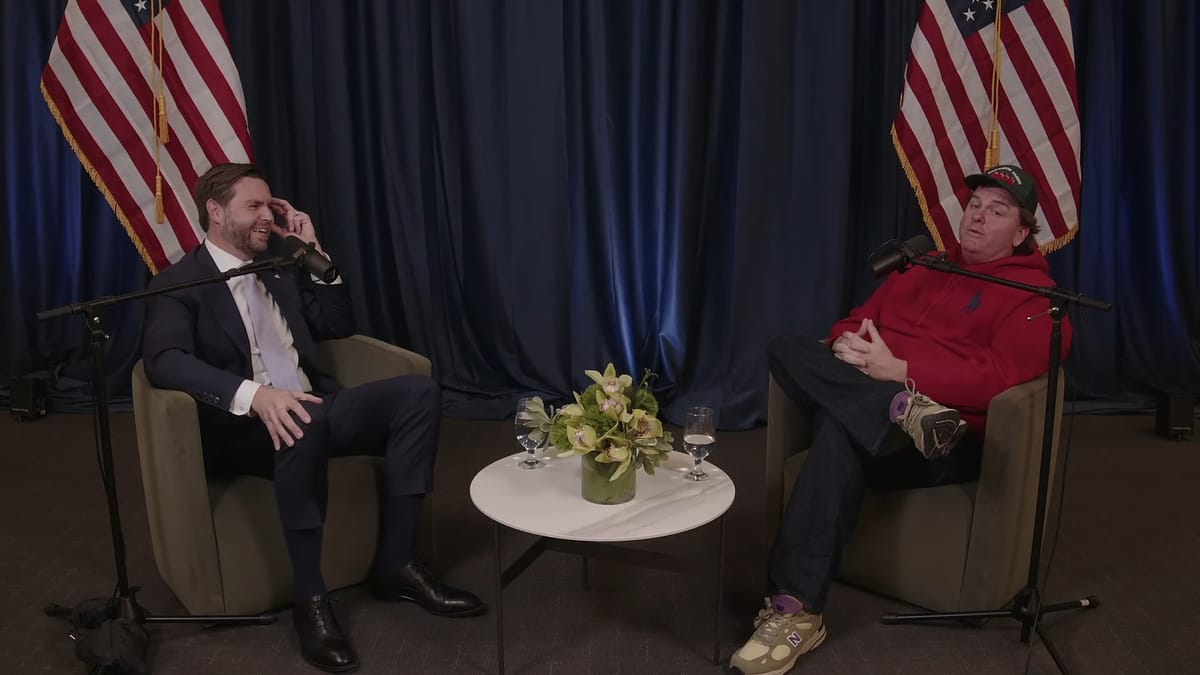
It’s worth noting that Dillon’s orbit often extends into politics as well. He’s publicly aligned with or has appeared alongside figures like JD Vance, whose rise is tightly connected to conservative political networks and Silicon Valley-backed initiatives. His commentary rarely crosses into territory that would threaten the current administration, instead staying safely within the sanctioned critique zones that keep him palatable to both audiences and the elites who control the platforms, agents, and production channels that have elevated him.
Another curious aspect of Dillon’s life is his relationship with real estate. He’s constantly buying and selling houses, rarely staying in one city for long. On the surface, this could be framed as lifestyle flexibility, but in the context of his career and persona, it’s strikingly convenient. Frequent relocations ensure he stays embedded in key cultural and industry hubs, maintaining access to powerful networks, production resources, and elite social circles, all while projecting the image of an untethered, chaotic outsider.
In other words, Dillon performs the illusion of dissent, but the system he skews against is often the same one that ensures his visibility, monetization, and continued cultural influence.
The Podcast Boom and Algorithmic Advantage
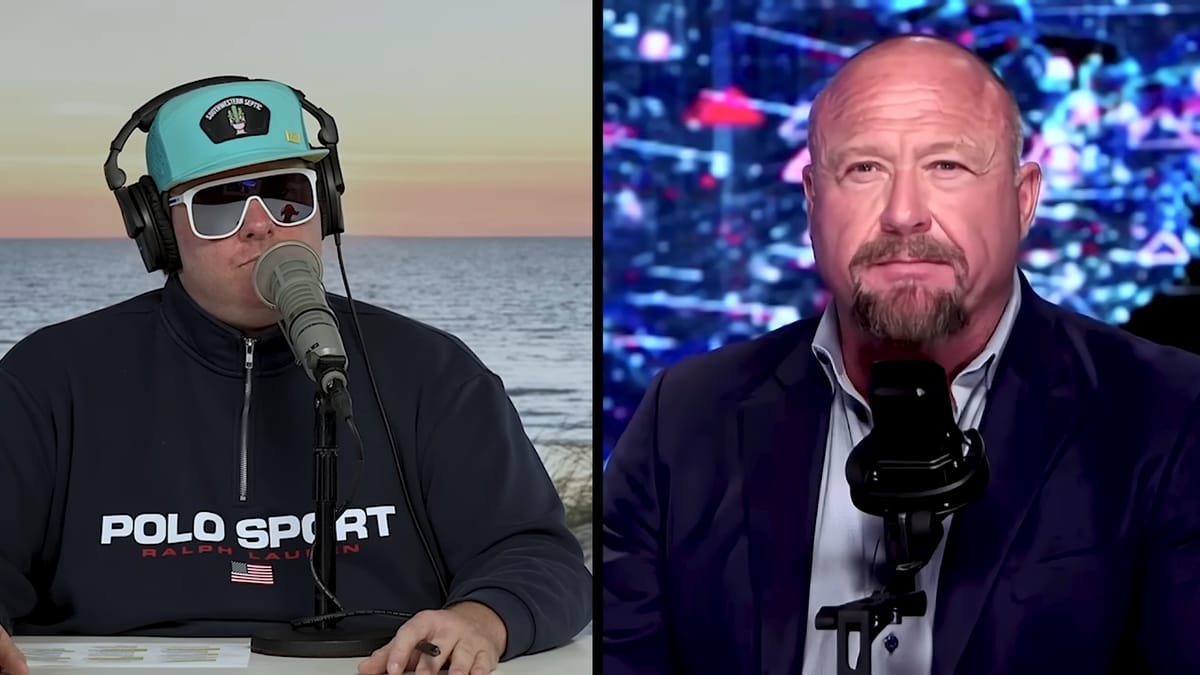
Dillon’s rise coincided with the podcast boom of the late 2010s. Platforms like Spotify, Apple, and YouTube invested billions in “alternative” voices as trust in mainstream media collapsed. Dillon emerged as a perfect fit, capturing audiences seeking unfiltered critique.
His success on Patreon is striking: over 42,000 patrons generating more than $220,000 per month, making him one of the platform’s top creators. He’s edgy enough to feel rebellious, but never so much that he risks demonetization or de-platforming, hitting that sweet spot where controversy drives clicks without threatening the system.
Below is a deep dive into Theo Von’s strange background.
Theo Von – The Prussian Prince of Podcasting: What He Doesn’t Want You To Know
Meanwhile, other creators who push truly disruptive ideas often see reduced amplification, slower growth, or outright shadow-banning. I have quite a lot of personal experience with the shadowbanned side of the internet. But there are people who can say similar things without facing the censors wrath.
Take Matt and Shane, for example. Their Secret Podcast currently sits at the top of Patreon with $260,000–$660,000 per month in subscriptions. Like Dillon, their content delivers the appearance of anti-establishment energy, but it’s carefully curated to maximize audience engagement while staying comfortably inside safe boundaries.
The pattern is clear: the same algorithmic forces that reward Dillon also elevate other “controlled chaos” creators. These shows dominate top spots not because they are genuinely subversive, but because they combine rebellion with a formula the platforms can safely monetize. The audience thinks they are witnessing raw dissent, but what they are really consuming is a highly engineered product, rebellion sold by the pound.
And here’s the real question: how much of that Patreon money is purely organic? Could intelligence agencies or affiliated networks be underwriting some of those subscriptions, ensuring that the “right” voices are not just amplified by algorithms but financially reinforced as well? With the scale of Dillon’s reach and the uncanny timing of his rise during the podcast boom, it’s a question worth asking.
Is Andrew Schulz the Pied Piper or a Trojan Horse? Yes & Yes!
The Alex Jones Template: Controlled Opposition 2.0
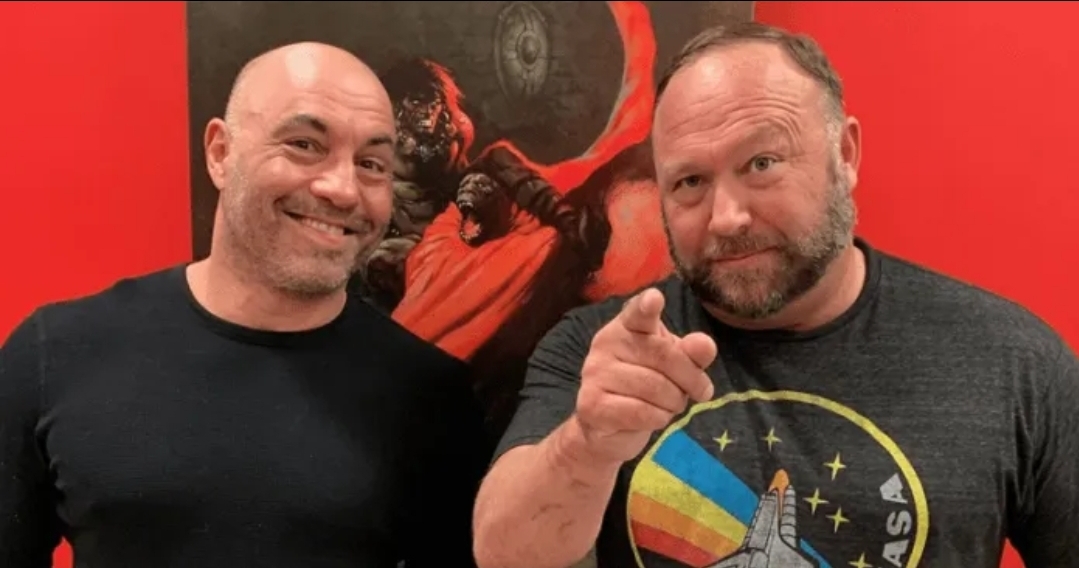
Fear, spectacle, and parasocial relationships guide audiences toward outrage that entertains instead of disrupts. Dillon refines Jones’ model for a modern era.
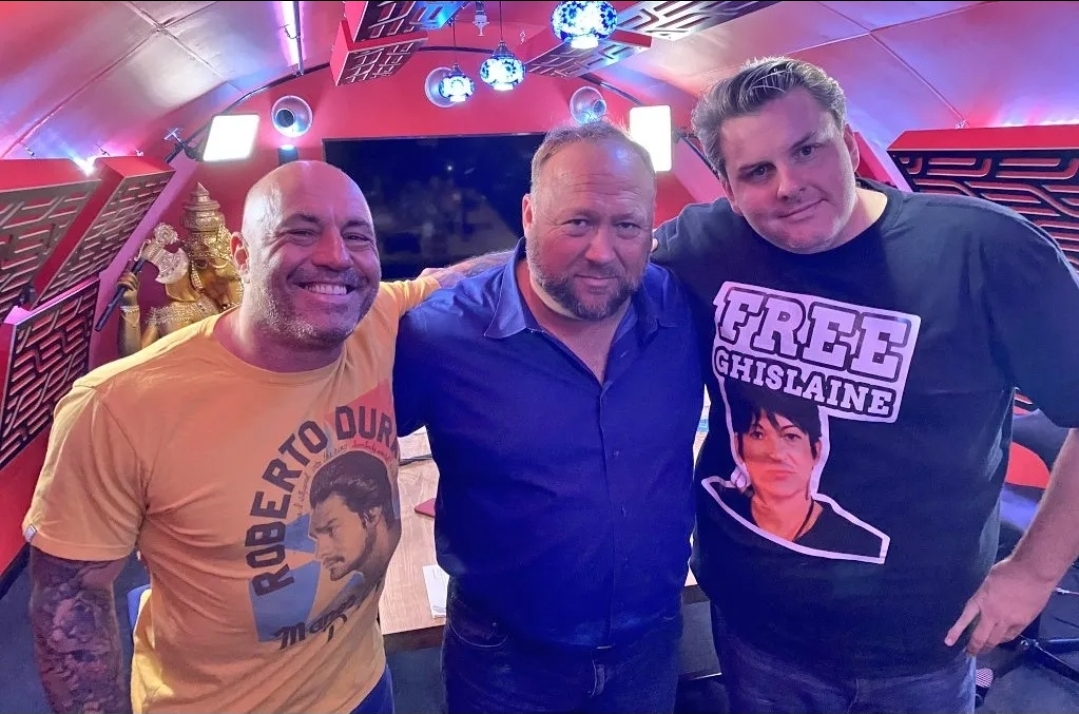
Dillon follows a blueprint pioneered by Alex Jones: fear-based messaging, parasocial relationship building, and channeling discontent into safe narratives. Both provide a sense of rebellion without destabilizing the system.
Dillon is cleaner, funnier, and more platform savvy than Jones ever was. Where Jones became toxic and was de-platformed, Dillon maintains monetized access, offering audiences outrage, amusement, and a feeling of truth-seeking while keeping them contained within pre-approved boundaries.
Comedians as Cultural Engineers
Tim Dillon article continues below.
Pattern Recognition: The Comedy-Industrial Complex
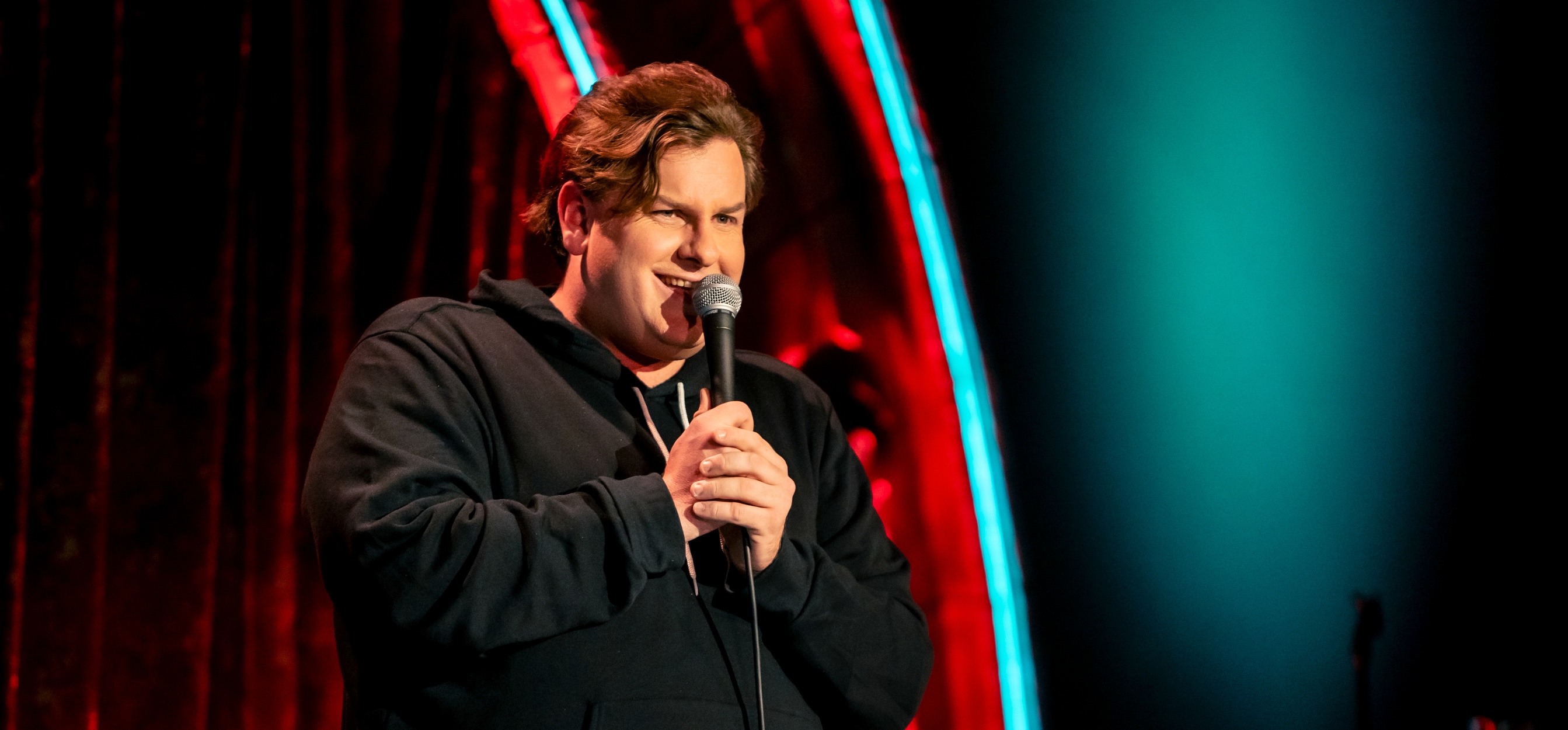
Humor disarms and socializes ideas. Dillon functions as a soft power operative in the cultural sphere: defining credibility, normalizing outrage, and setting limits on acceptable dissent. His rise is a modern form of propaganda: audiences experience rebellion while remaining safely inside the system.
With insider access, careful branding, and platform optimization, Dillon serves as a cultural technician, guiding discontent without threatening the structures that created him.
Dillon is part of a broader trend: podcasters and comedians like Joe Rogan, Shane Gillis, and Theo Von follow the same rise, share elite representation, and amplify safe anti-establishment narratives. All emerged during the podcast boom, monetized rapidly, and maintain visibility through sophisticated network and platform management.
They provide the illusion of rebellion, validate audience grievances, and redirect energy toward entertainment instead of systemic change.
The Bottom Line: It’s All About Patterns
Tim Dillon may genuinely believe he is independent, I seriously doubt it, but it’s at least a possibility.
I enjoy his comedy, his stage presence, and even his “pig” persona. But his trajectory from child actor to CAA managed influencer, fits a pattern refined over decades: cultivating rebellion that entertains, not disrupts.
You should pay attention to similar patterns in other podcasters and comedians:
Rapid access to media and production networks
Elite representation and management with overlapping influence
Amplification by platforms and algorithmic favor
Anti-establishment messaging that avoids truly challenging power
Carefully branded authenticity that disguises calculated influence
The comedy industrial complex doesn’t want you connecting these dots. This analysis isn’t about hating Dillon, it’s about understanding how even beloved voices can be part of a larger system shaping perception.
Which comedians or podcasters in your feed feel too perfectly positioned? How many of your favorite voices are shaped by the same networks that profit from “safe” rebellion?
After Subscribing – Read more deep dives below.
Subscribe for more deep dives and investigations into cultural engineering below and share this with anyone who thinks their favorite “truth-telling” podcaster is fully independent.
Next Week – Andrew Schultz: From Puppet to Trojan Horse
Read more deep dives below:
Is Andrew Schulz the Pied Piper or a Trojan Horse? Yes & Yes!
Theo Von – The Prussian Prince of Podcasting: What He Doesn’t Want You To Know
Candace Owens: The CIA’s Controlled Opposition Narrative Seeding Specialist
Creating A Controlled-Opposition Operative: The Mahmoud Khalil Story